Plan contour placement before makeup
Use the analysis to see where shadow, highlight, and soft blending might help your jawline read cleaner on camera.
AI Detector / Jawline Analyzer
Upload one portrait to read visible jawline definition, chin fullness, lower face symmetry, and photo angle cues with practical beauty tips.
How it works
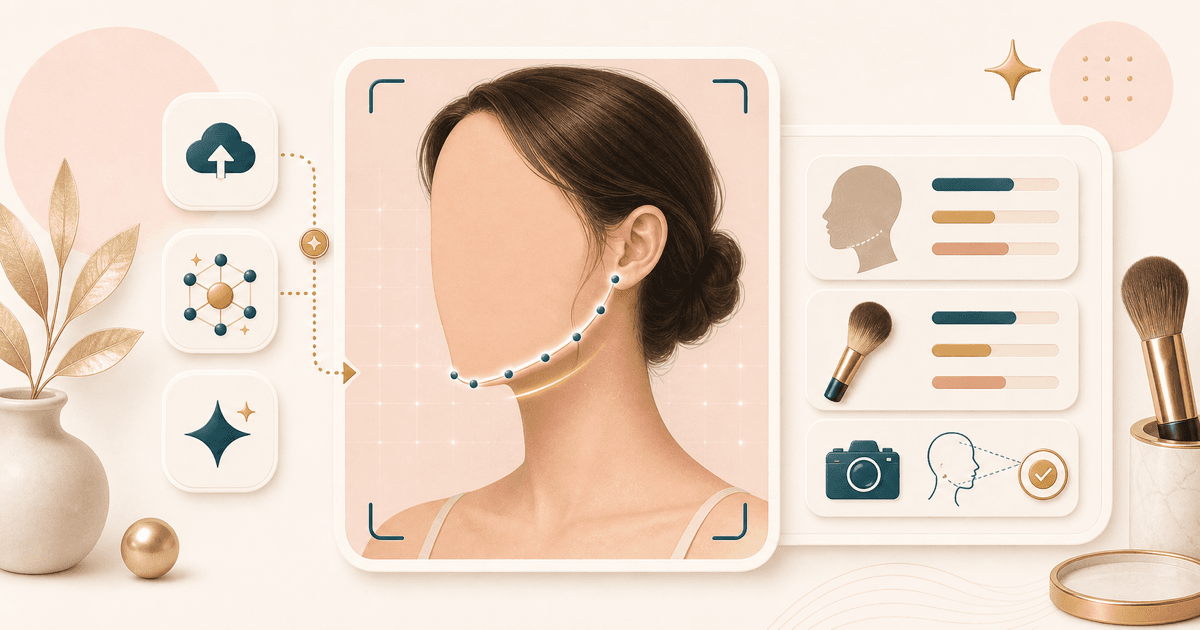
Jawline Analyzer turns one clear portrait into a lower face read with contour, hair, and camera tips you can test.
Choose one photo where the jaw, chin, neck, and both sides of the lower face are visible. Eye level or a gentle three quarter view works well.
The tool reads visible lower face signals, including definition, softness, angularity, chin taper, width, symmetry, and fullness under the chin.
Read the score mix, plain language summary, and practical tips for contour placement, hair framing, lighting, and camera position.
Try a second photo with different light or distance if the result feels surprising. Large changes often come from camera angle, not your face changing.
Use cases
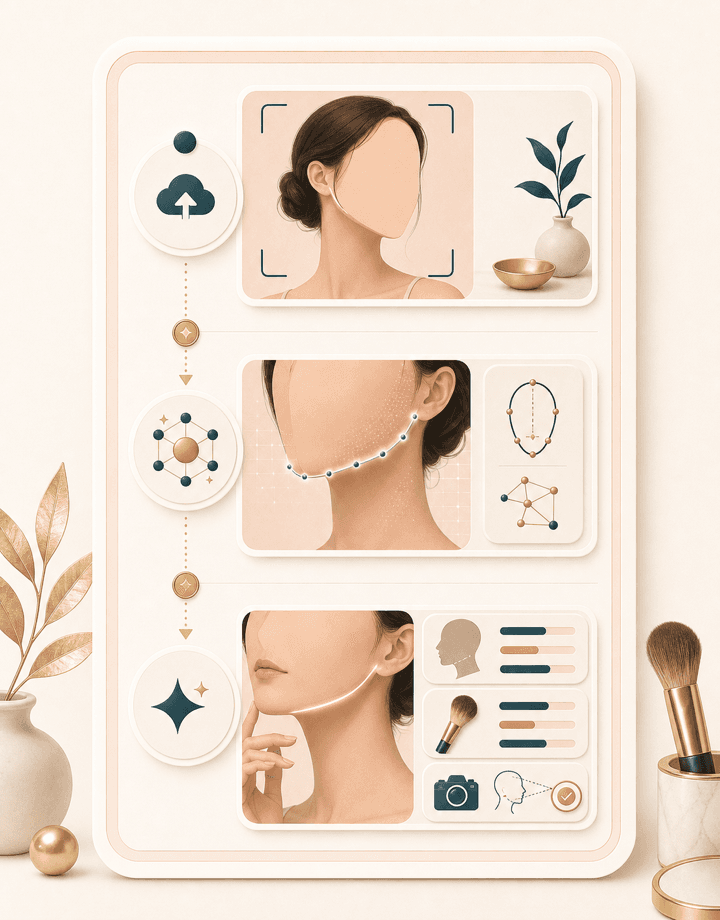
People search for jawline analysis when they want makeup direction, better photos, or a clearer way to describe lower face balance.
Use the analysis to see where shadow, highlight, and soft blending might help your jawline read cleaner on camera.
Review notes about jaw width, chin taper, and face framing before trying shorter layers, a bob, side volume, or tucked styles.
Check how light, lens distance, and head position affect your lower face before you reshoot a profile photo.
The result describes visible image cues. It is useful for styling experiments, not for ranking beauty or making health conclusions.
Why choose BeautyLove
BeautyLove keeps jawline analysis practical. The result helps you adjust makeup, hair, lighting, and camera position without turning one photo into a judgment.
Jawline Analyzer keeps the read narrow, so the result stays focused on the jaw, chin, neck shadow, and lower face balance.

The tips connect the analysis to makeup, hair framing, and photo choices you can test without changing your face.
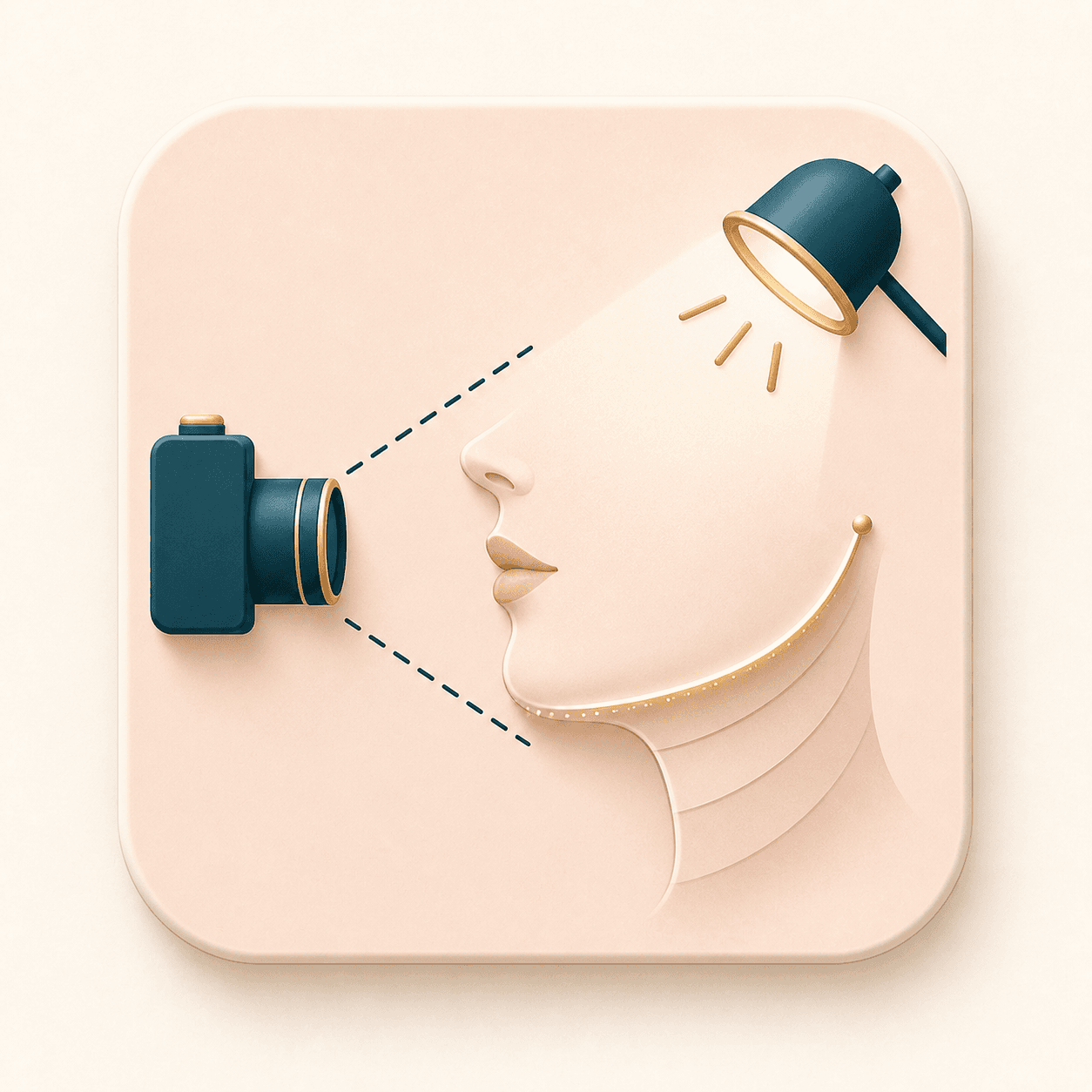
Lighting, lens distance, head tilt, facial hair, and current makeup can change the read. The page keeps that context visible.
Jawline Analyzer is an AI Detector tool. A successful run uses 10 credits, while failed requests should not consume credits.
Key features
The page is built for a careful lower face read, with image quality context and beauty guidance tied to the same upload.
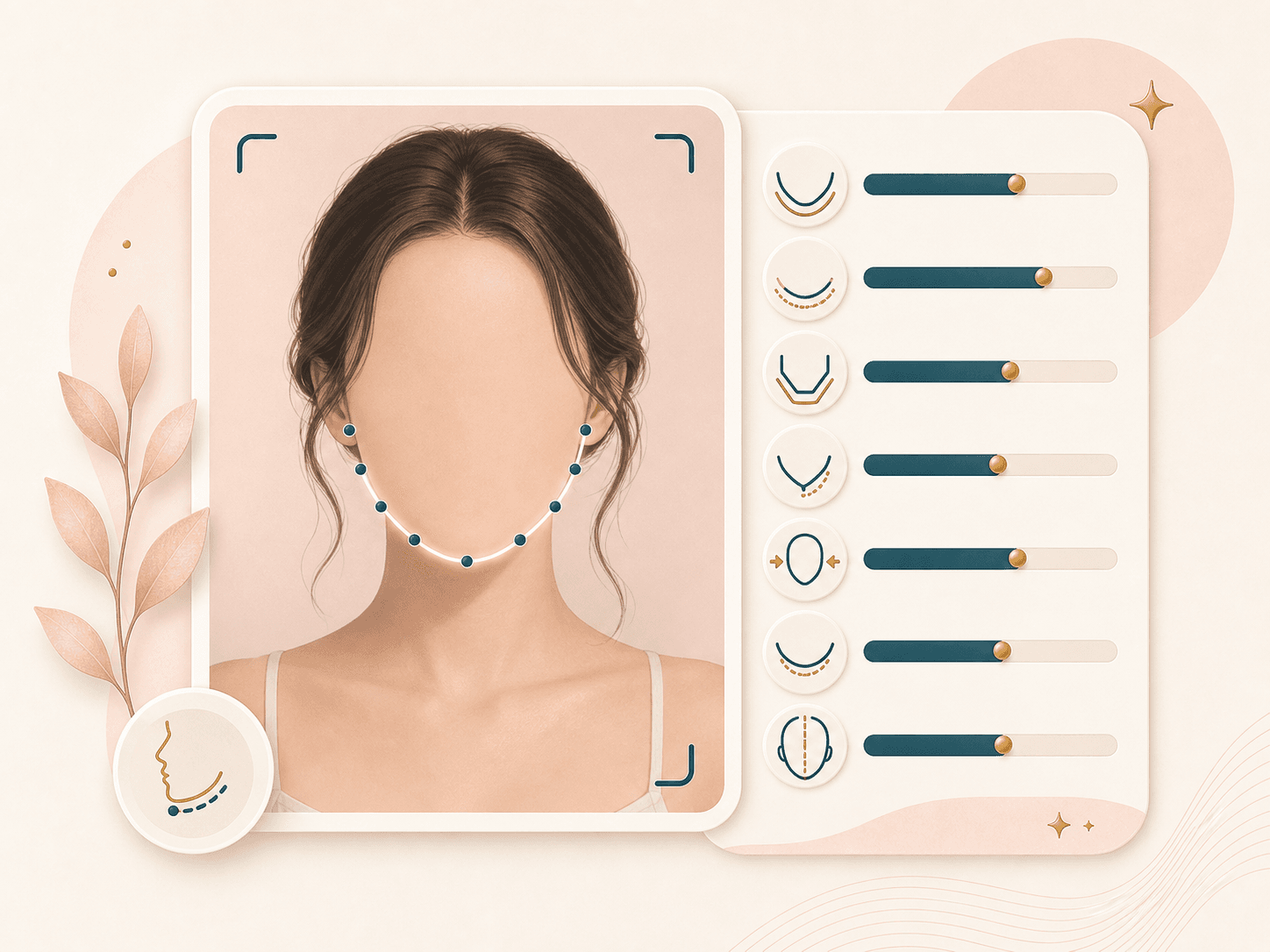
The result separates visible lower face cues instead of giving one vague label. You can review definition, softness, angularity, chin taper, width, symmetry, and fullness under the chin as separate signals. This helps you understand why the summary says your jawline reads sharp, soft, tapered, broad, or mixed in the uploaded photo.
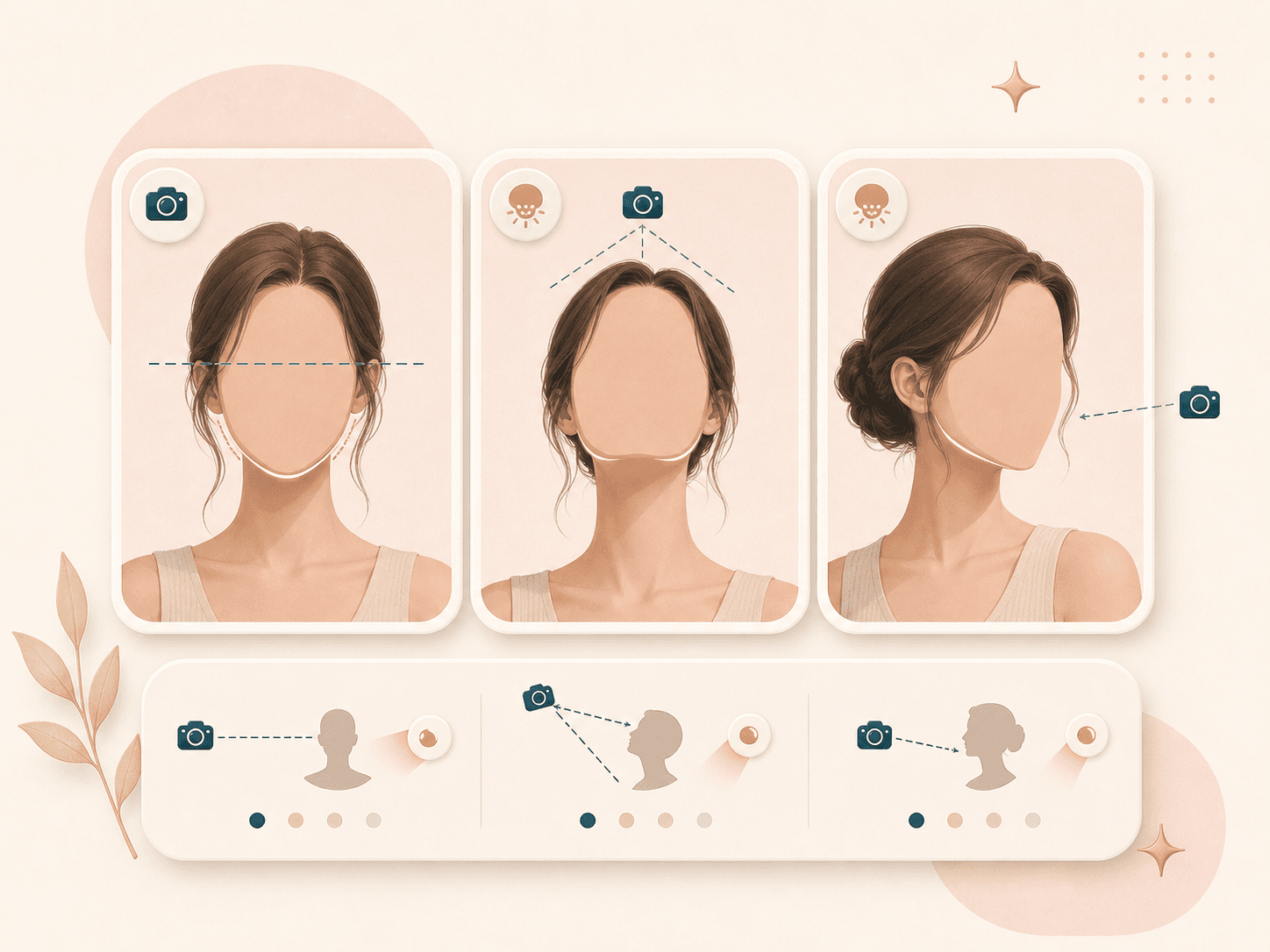
Jawlines can look different when the camera is too close, too low, or lit only from above. Jawline Analyzer explains when a result may be shaped by pose and light. Use the tips to test eye level photos, softer front light, gentle side light, and a relaxed chin position before you decide what the result means.
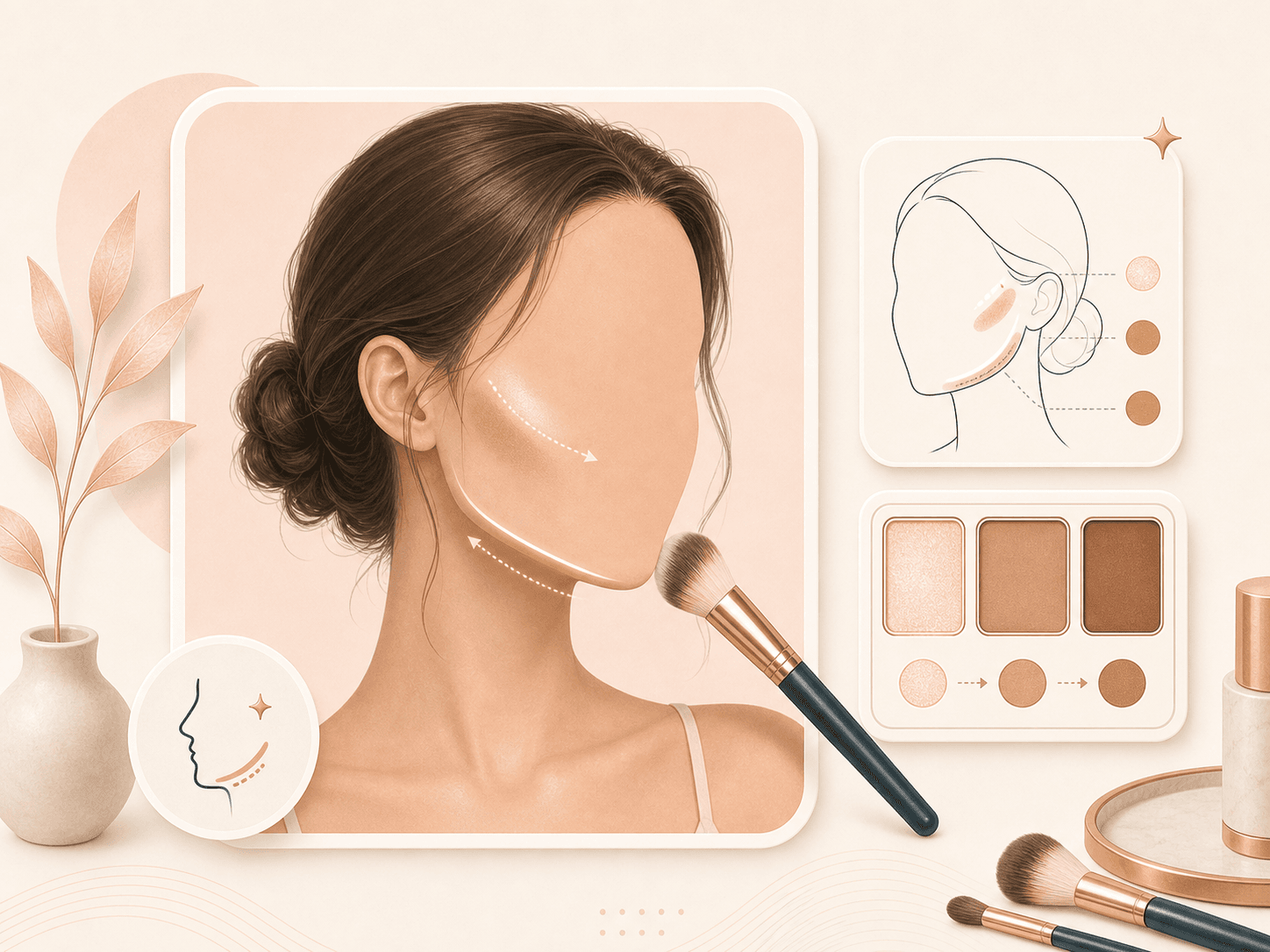
The recommendations can suggest contour, bronzer, highlight, and blush placement based on how the lower face reads. The goal is not to hide your face. It is to help shadow and light look intentional, especially for photos, events, content creation, and everyday makeup experiments.
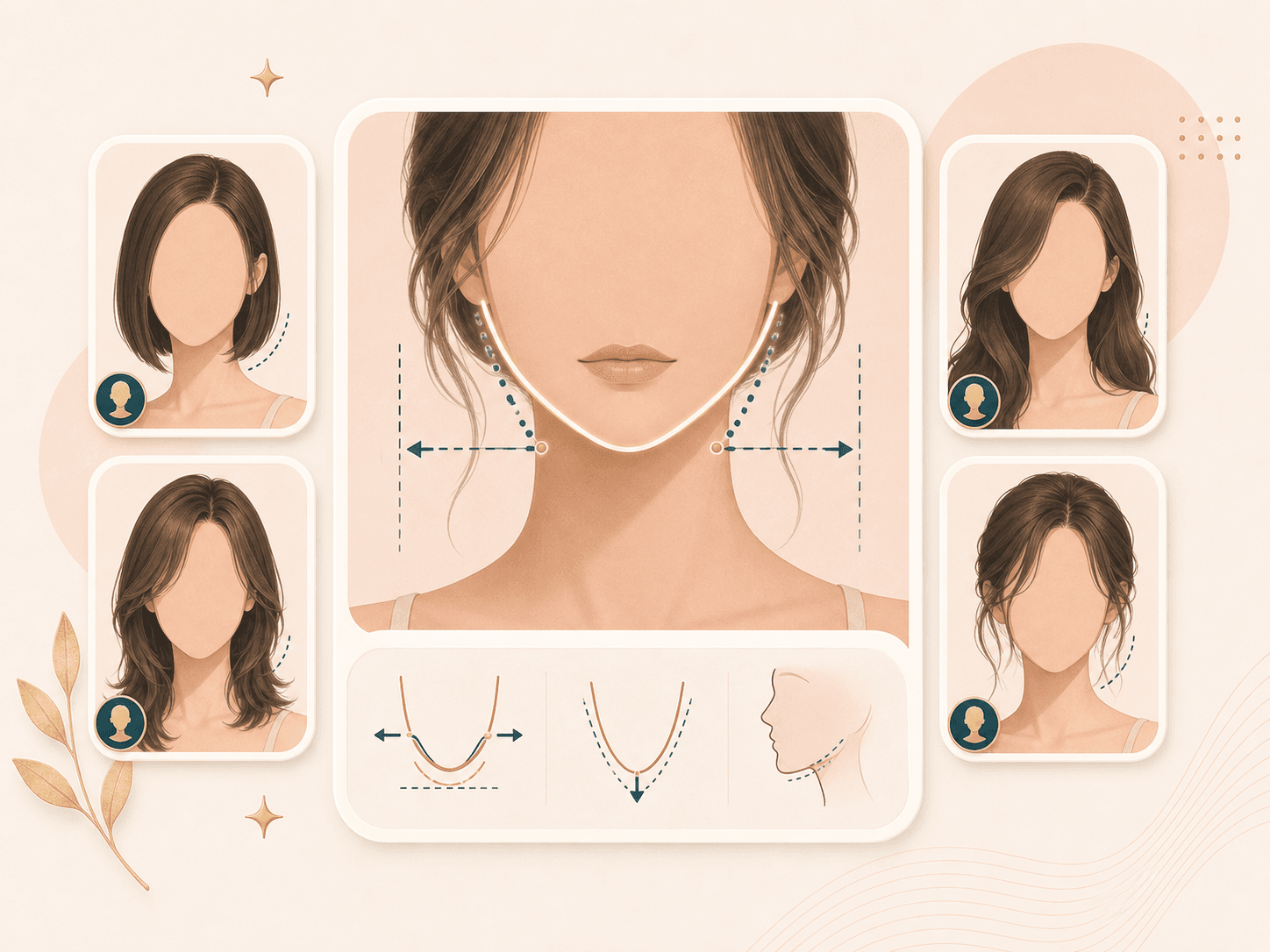
Hair length and volume can change how the jaw and chin read. The report may point toward face framing layers, soft side volume, clean necklines, or styles that avoid adding weight in the wrong place. Use this as a conversation starter before a haircut, not as a rulebook.
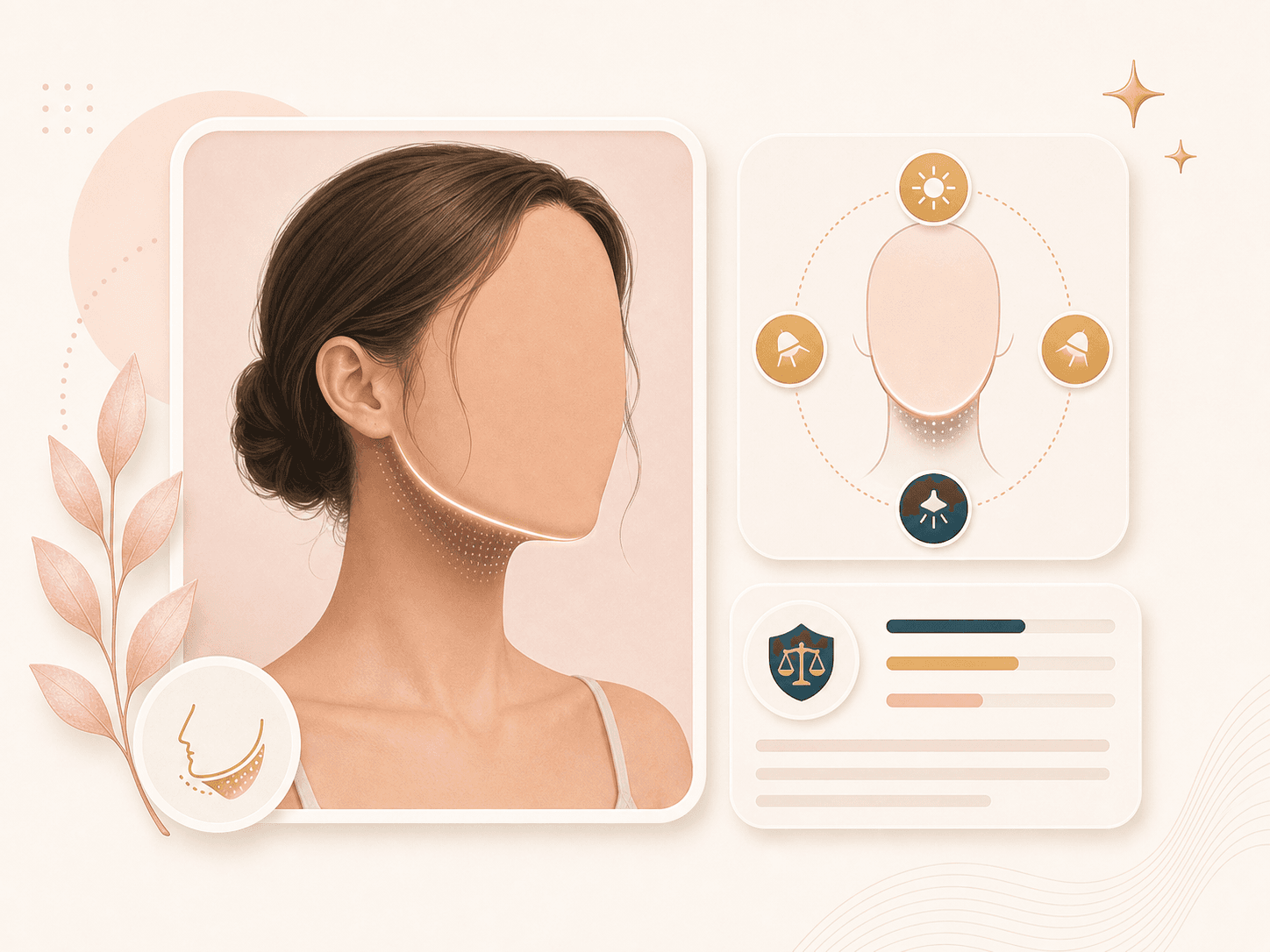
A double chin hint or soft jaw signal is a photo cue, not a body judgment. Chin position, lens width, posture, expression, and overhead shadows can all add fullness in one frame. The result keeps the language gentle so you can adjust the image setup without turning it into criticism.
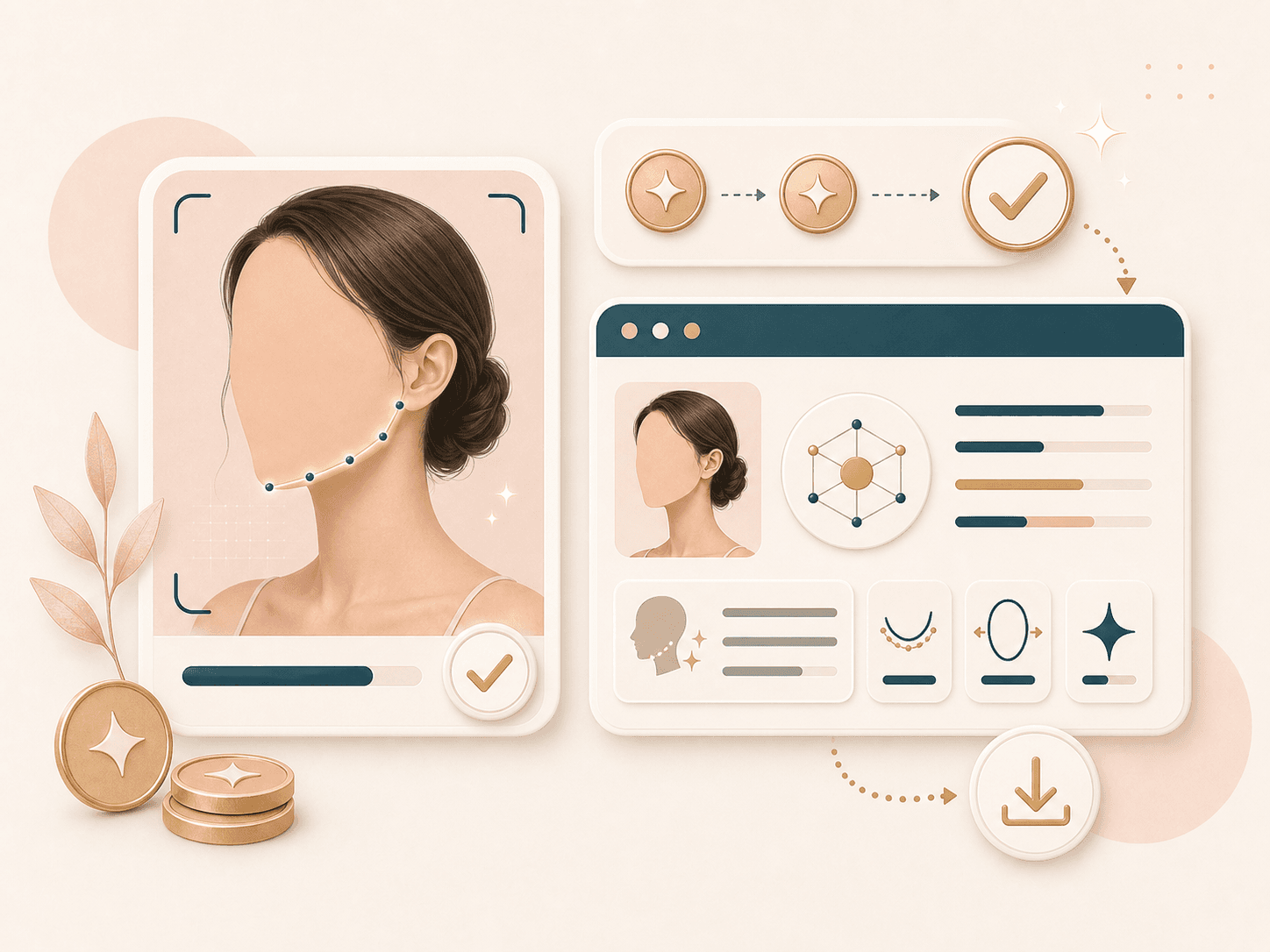
Jawline Analyzer uses the same credit model as other BeautyLove detector tools. Sign in, upload a clear portrait, and run the analysis when you have credits. Successful detector runs usually use 10 credits, and the result page can keep the latest result in your browser for review.
Comparison table
Different tools solve different jobs. Use this table to decide whether you need analysis, an edited image, or professional direction.
| Option | Result detail | Privacy note | Best for |
|---|---|---|---|
| Jawline Analyzer by BeautyLove | Lower face signals, summary, contour tips, hair notes, and photo guidance | Images are sent for processing. Results may be kept in browser storage | Beauty and photo guidance from one clear portrait |
| General face shape tools | Overall face shape categories and broad style notes | Varies by provider | Understanding oval, round, square, heart, or similar face shape labels |
| Beauty filter or face slimmer tools | Edited image output or before and after preview | Varies by provider | Previewing a generated look rather than reading your current photo |
| Manual mirror or selfie check | Human visual judgment only | Depends on where photos are stored or shared | Quick personal checks when you do not need AI guidance |
| Makeup artist or photographer | Professional judgment with live lighting, pose, and styling control | Depends on the professional workflow | Events, headshots, content shoots, and high value style decisions |
Privacy and responsible use
BeautyLove uses uploaded images to process your Jawline Analyzer request through the selected AI service.
Result data and thumbnails may be kept in your browser storage so the result page can show your latest analysis.
Upload photos you own or have permission to use. Do not use the tool to shame, harass, or judge another person.
The result is not a medical, dental, weight, or surgical assessment. Treat it as style and photo guidance.
Face contour path
Jawline searches often include jawline checker, face contour, double chin photo tips, and makeup placement. This page can capture that intent by explaining the lower-face read and linking users to contour, hairstyle, and profile-photo tools.
The analyzer reads visible lower face cues such as definition, softness, chin taper, width, angle, and under-chin shadow from one photo.
Camera height, lens distance, posture, overhead light, and head tilt can all change the jawline read. Compare similar photos when testing changes.
After analysis, contour placement and hair part or hairstyle tools can turn the lower-face read into an actual styling decision.
Tool chain
Use the detector as a starting point, then continue into the tool that matches the next user intent.
Use a clear portrait with the chin, neck, and both sides of the lower face visible. The tool reads visible contour cues and gives beauty-focused guidance.
It can describe a visible under-chin shadow or fullness in the image, but it is not a medical, weight, or body composition assessment.
Use contour placement for makeup, hair part finder for face framing, or photogenic score to compare portrait angles.
FAQ
Photos, credits, privacy, contour tips, and what this jawline analyzer can and cannot tell you.
A jawline analyzer is an online tool that reads visible lower face cues from a photo. BeautyLove focuses on jaw definition, chin shape, fullness, symmetry, and styling tips.
Upload one clear portrait, run Jawline Analyzer, then review the score mix and tips. Use a photo where the jaw, chin, and neck are easy to see.
Jawline Analyzer can flag a visible double chin hint in the photo. It is an image impression, not a medical, weight, or body composition assessment.
No. This tool is for beauty education, makeup direction, hair framing, and photo guidance. For health, dental, or surgical concerns, ask a licensed professional.
Use a clear photo with even light, a relaxed face, and the lower face visible. Avoid heavy blur, extreme angles, covered chin areas, and very wide angle selfies.
Camera angle, lens distance, overhead light, head tilt, posture, expression, and makeup can all change jawline shadows. One result describes one frame only.
Yes. Jawline Analyzer is an AI Detector tool, and successful detector runs usually use 10 credits. Failed requests and service errors should not use credits.
Yes, you may need to sign in before running the analysis. The account connects your credits, API token, and result flow to the right user.
Yes. The report can suggest contour, bronzer, highlight, and blush ideas based on how your lower face reads in the uploaded photo.
Uploaded photos are used to process the tool request. Images are sent to the selected AI service, and result data may stay in your browser storage for the result page.
Results are for beauty education and self expression, not a substitute for licensed professionals.
Ready when you are
Use a clear, honest photo. If the result feels too shaped by lighting, try another frame and compare the notes.
Loved by 5M+ BeautyLove users for hair, makeup, color, and portrait decisions.