Before buying a new routine
Use the result to name what you are seeing before you shop. It can help you decide whether to start with oil control, barrier comfort, texture care, or a gentler base routine.
AI Detector · AI Skin Analysis
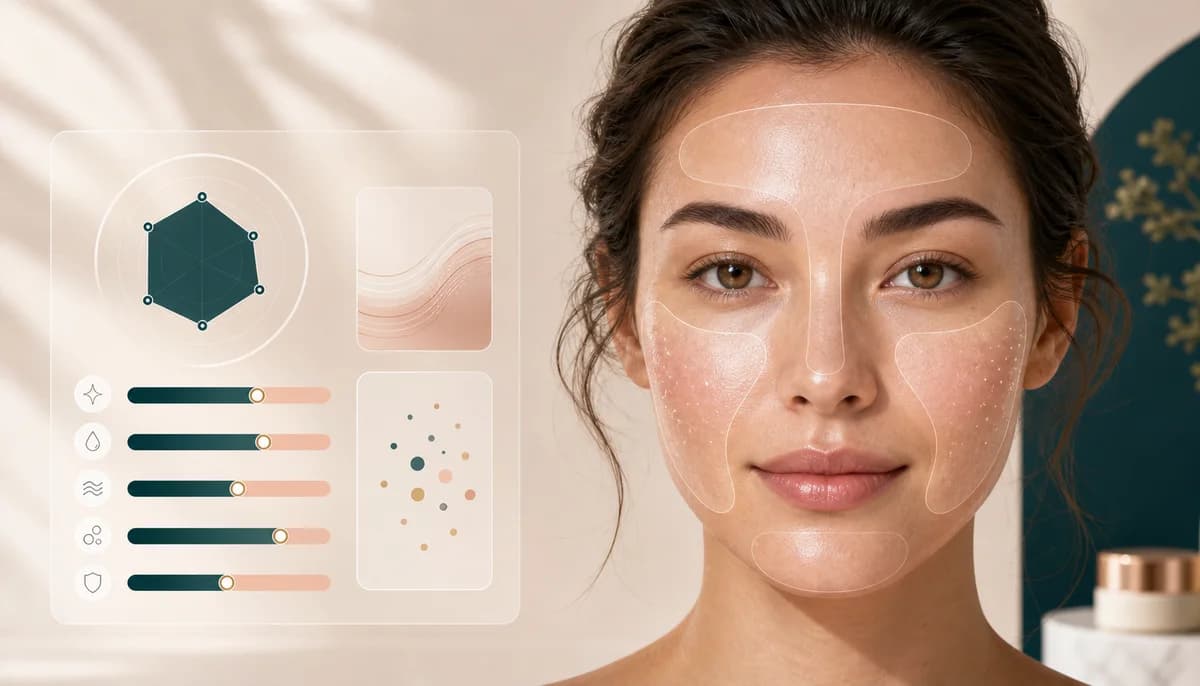
Upload one clear portrait for AI skin analysis that reads visible oil, dryness, texture, pores, and uneven tone, then returns gentle beauty routine ideas.
How it works
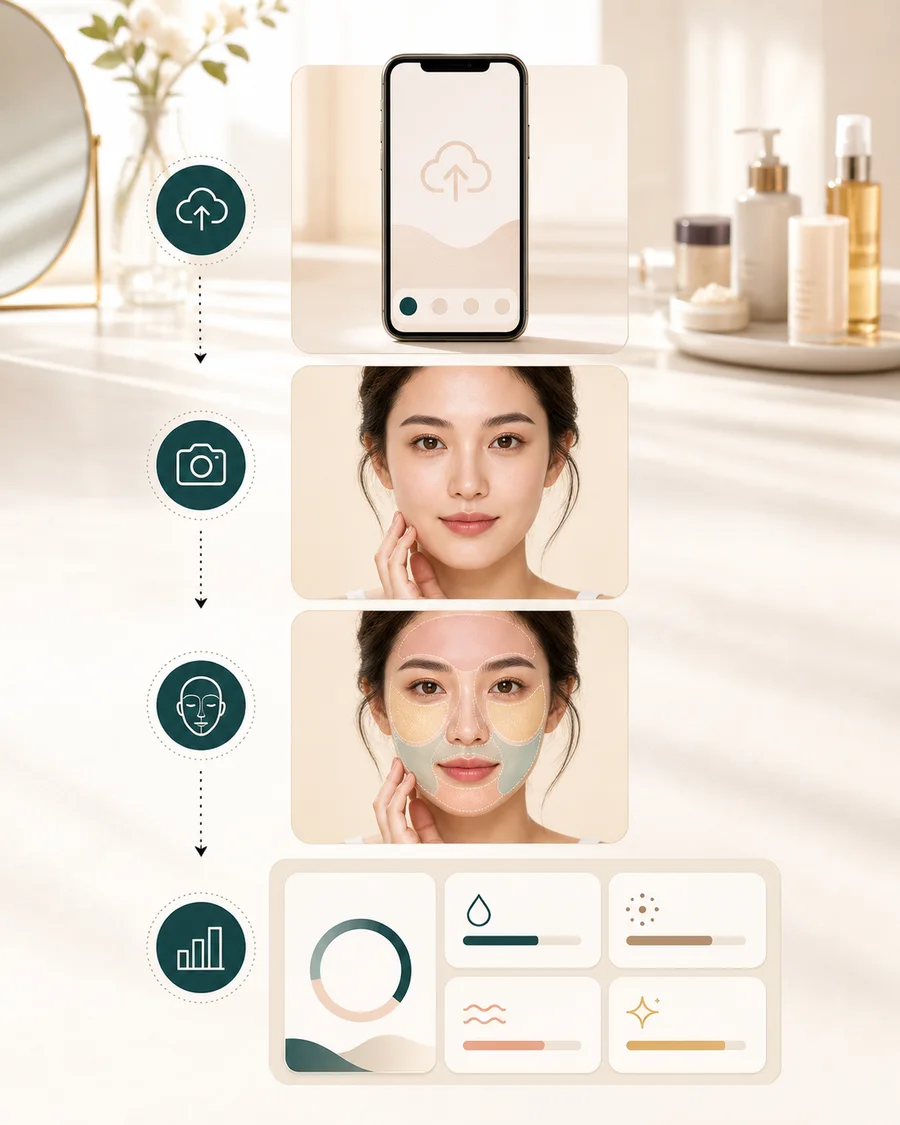
Use a clear portrait and treat the result as beauty guidance, not a medical diagnosis.
Use soft daylight or even indoor light. Keep your face visible, skip strong filters, and upload a JPG, PNG, or WEBP photo under 10 MB.
The model reviews apparent oil, dryness, combination patterns, sensitivity hints, balanced areas, and uneven texture as separate confidence scores.
Read the top match, independent score bars, and plain summary. The result explains what the photo suggests and where lighting may matter.
Use skincare, makeup, lifestyle, and general tips as a starting point. Rescan in similar light when seasons, products, or photo conditions change.
Use cases
Searchers often want a quick skin type check, a routine starting point, or clearer words for what they see in the mirror.
Use the result to name what you are seeing before you shop. It can help you decide whether to start with oil control, barrier comfort, texture care, or a gentler base routine.
Skin can look different in winter, summer, travel, or dry indoor air. Run the same style of photo later and compare the visible tendency pattern with your own skin feel.
Foundation, primer, and powder choices depend on how skin looks on camera. A visible read can help you plan finish, prep, and touch up habits before an event.
If labels like oily, dry, sensitive, and combination feel blurry, the result gives plain language you can bring to a beauty adviser, esthetician, or dermatologist.
Why choose BeautyLove
BeautyLove keeps the tool focused on visible beauty cues, practical routine notes, and clear limits around what one photo can say.
BeautyLove reads what a portrait can show, such as shine, dry looking areas, texture, and uneven tone, without turning it into a diagnosis.

The copy and result framing stay in beauty education. Pain, sudden redness, swelling, or ongoing concerns belong with a qualified professional.
You get practical care style notes for skincare, makeup, habits, and general context, not a forced shopping list or brand recommendation.

AI Skin Analysis is an AI Detector tool. A successful run uses 10 credits, while failed requests and service errors should not consume credits.
Key features
The result is made for a practical beauty read, with visible tendency scores and notes you can act on carefully.
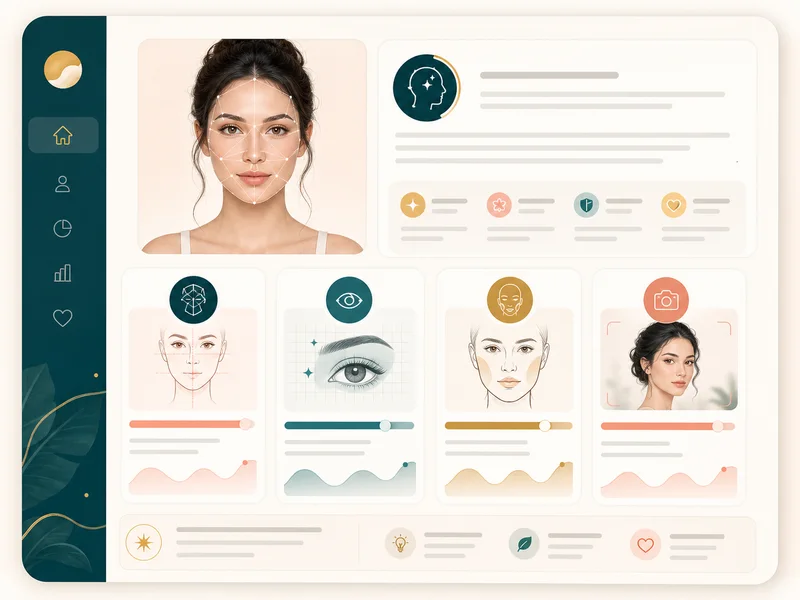
The result separates oily tendency, dry tendency, combination tendency, sensitive tendency, balanced tendency, and uneven texture tendency. These are independent confidence scores, so they do not need to add up to 100. That makes the read easier to use when skin looks mixed, for example a shinier T zone with drier cheek areas.
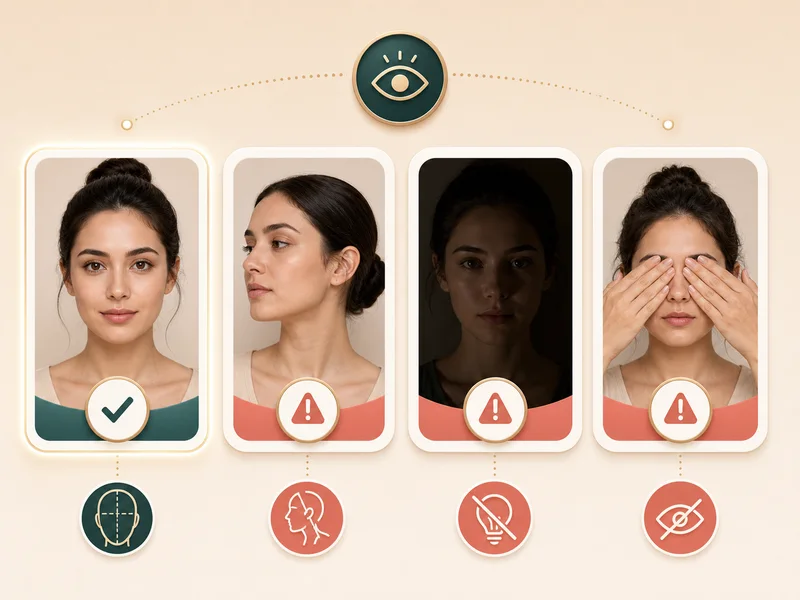
Your photo shapes the result. The page gives clear upload guidance so the model can see the forehead, cheeks, nose, and jaw area without heavy blur, harsh shadows, or smoothing filters. If the read feels off, retake the image in softer light before changing your routine.

The result page turns the score bars into a short written summary. Instead of making you interpret raw labels alone, it explains what the visible pattern could mean in everyday beauty language. You can use that summary as a quick note before shopping, applying makeup, or asking for professional advice.

Recommendations are grouped into skincare, makeup, lifestyle, and general tips. That keeps the advice practical. You might see ideas for lighter base makeup, gentler cleansing, hydration support, blotting strategy, or lighting checks, depending on what the photo suggests.

Skin appearance changes with lighting, sleep, weather, makeup, and camera settings. AI Skin Analysis is easy to run again with a similar photo, so you can compare broad patterns over time without treating one image as the final answer.

The tool does not diagnose acne, rosacea, allergies, infection, or any other medical condition. It is for beauty vocabulary and routine planning only. If something hurts, spreads, appears suddenly, or worries you, skip the score and get care from a qualified clinician.
Comparison table
AI skin analysis is useful for a fast visible read. It is not the right tool for health concerns or treatment decisions.
| Option | Input | Result | Best for |
|---|---|---|---|
| AI Skin Analysis by BeautyLove | One clear portrait | Visible tendency scores, summary, skincare, makeup, and habit notes | Beauty routine planning from a photo with a non medical boundary |
| Traditional skin type quiz | Self reported answers | A broad skin type label based on how your skin feels | People who know how their skin behaves across a full day |
| Beauty brand product finder | Quiz answers or shopping preferences | Product suggestions inside one brand or retailer catalog | Choosing products after you already know your likely concern area |
| Licensed dermatologist or esthetician | In person or telehealth consultation | Professional evaluation and care plan when appropriate | Pain, sudden changes, persistent symptoms, or treatment decisions |
| Photo retouch or beauty filter | Portrait image | Edited image appearance rather than an analysis summary | Changing a photo, not understanding visible skin tendencies |
Privacy and safety
BeautyLove sends the uploaded image to the selected AI service to process the skin analysis request. It is not processed only on your device.
Your latest result data and thumbnail may be kept in your browser storage so the result page can show the analysis after the request finishes.
Upload photos you own or have permission to use. Avoid uploading another person for skin comments without their consent.
Use the result for routine ideas and photo context. Do not use it for diagnosis, treatment choices, or any high stakes decision.
FAQ
Skin type, photo quality, credits, privacy, and the line between beauty notes and medical advice.
AI skin analysis is a photo based beauty read of visible skin tendencies. BeautyLove looks for cues like oiliness, dryness, texture, pores, and uneven tone in one portrait.
It can suggest visible tendencies, but it cannot confirm your exact skin type. Your skin feel across the day, product reactions, climate, and professional advice still matter.
No. This is not a medical or dermatology diagnosis. It does not detect disease, infection, allergy, or prescribe treatment. See a qualified professional for health concerns.
A clear front facing portrait works best. Use soft even light, keep your face visible, avoid heavy filters, and do not cover the forehead, cheeks, nose, or jaw.
Yes. Makeup, smoothing filters, strong color edits, and harsh lighting can affect the result. Use a bare face or light everyday makeup when you want a cleaner baseline.
The scores are independent confidence reads. Oily tendency, dry tendency, sensitive tendency, and texture tendency can all appear in the same photo, so the bars do not need to total 100.
It can analyze visible cues in uploaded portraits, but lighting, camera color, and model limits can affect results. Use even daylight and compare the result with your own skin feel.
A successful AI Skin Analysis run uses 10 credits because it is an AI Detector tool. Failed requests and service errors should not consume credits.
Skin Tone Detector focuses on color depth and undertone for foundation, wardrobe, and jewelry choices. AI Skin Analysis focuses on visible texture, oil, dryness, sensitivity hints, and routine notes.
Ready when you are
Upload a clear portrait, read the visible tendency scores, and use the result as a careful routine starting point.
Loved by 5M+ BeautyLove users for hair, makeup, color, and portrait decisions.