Understand your facial balance
Use the result when you want plain language around why one portrait feels balanced and another feels slightly off. The tool focuses on relationships between features instead of judging one feature alone.
AI Detector · Face Harmony Test
Upload one portrait to review how your visible facial features work together, including balance, coordination, and kind styling ideas.
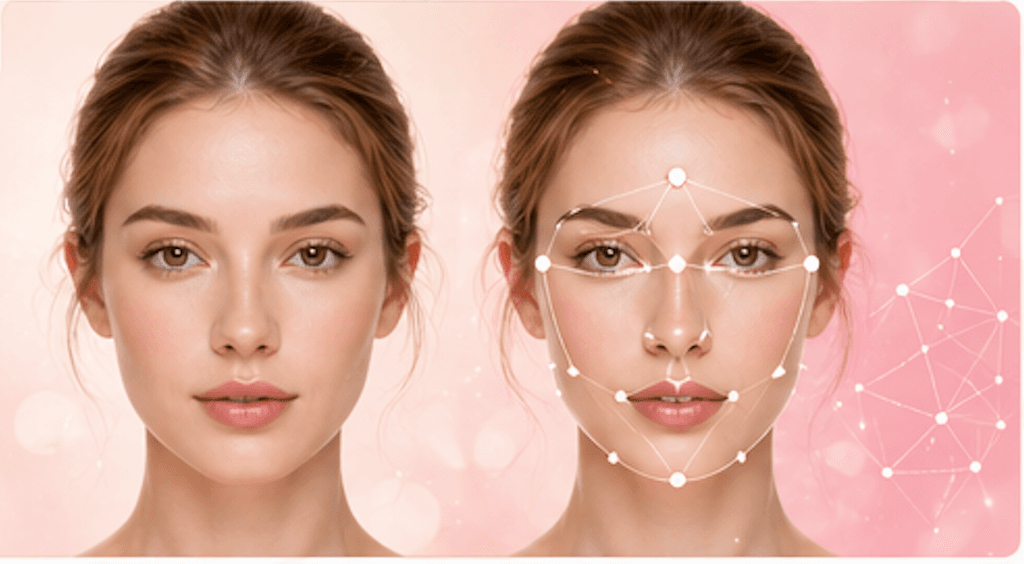
How it works
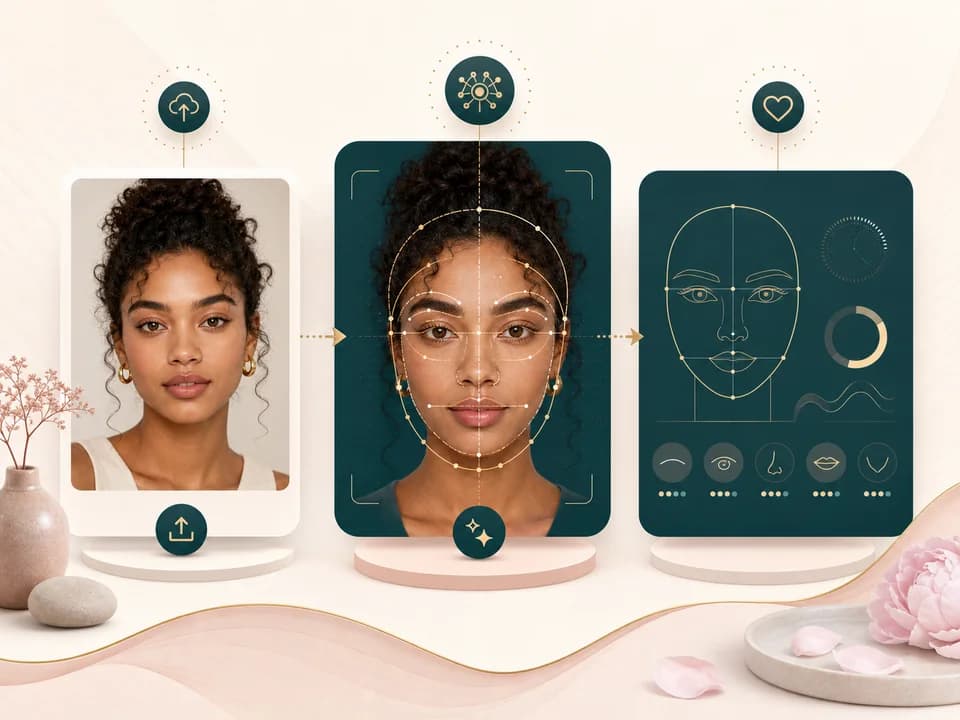
The workflow is simple: upload one clear portrait, run the analysis, then read the balance notes and style ideas.
Choose a front facing photo where your brows, eyes, nose, lips, cheeks, and jaw are visible. Soft light and a relaxed expression help the AI read feature placement.
BeautyLove sends the image through the analysis pipeline and reads visible feature relationships, including overall balance, eye and nose coordination, brow alignment, and lower face harmony.
Your result explains which relationships look naturally balanced in the photo and which styling choices could make the whole face read more coordinated.
Try the makeup, hair, eyewear, and general guidance as small experiments. A new photo with better light can give you a cleaner second read.
Use cases
People search for face harmony when they want to understand proportion, styling, and photo balance without turning beauty into one harsh score.
Use the result when you want plain language around why one portrait feels balanced and another feels slightly off. The tool focuses on relationships between features instead of judging one feature alone.
Read the makeup notes before changing brow shape, lip line, contour placement, or highlight placement. Small visual shifts can change how features relate in photos.
Use the harmony notes as a starting point when comparing face framing layers, bangs, glasses width, or frame shape. The goal is better visual balance, not a fixed rule.
Run the test before a headshot, dating profile, creator shoot, or social avatar refresh. Better lighting and a centered angle usually make the guidance easier to use.
Why choose BeautyLove
BeautyLove focuses on feature relationships and practical style notes, so the result feels useful instead of final.
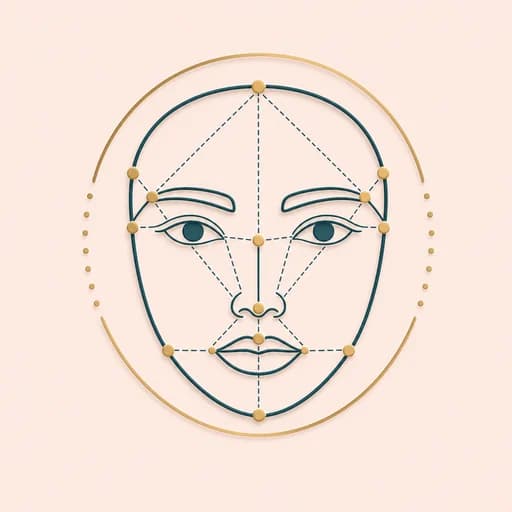
The test looks at how visible features work together, including eyes, nose, lips, brows, jaw, and overall balance.
The copy stays practical and respectful. Results are framed as style ideas, not a fixed judgment about your face.
Photo tips help you avoid common issues like heavy shadows, covered brows, tilted angles, glasses, and unclear jaw lines.
Face Harmony Test is an AI Detector tool. A successful run uses 10 credits. Failed service requests should not consume credits.
Key features
Each feature turns one part of the analysis into plain language you can use for photos, makeup, hair, and eyewear.
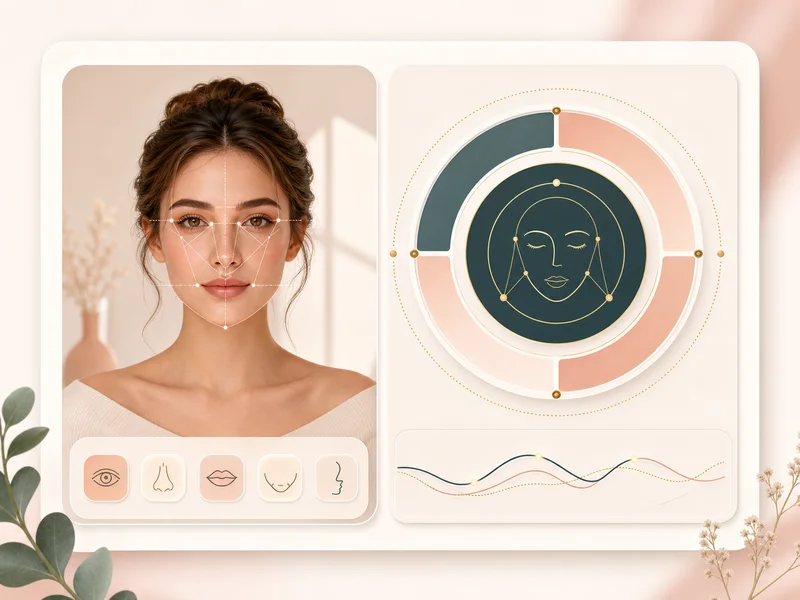
Start with the top level read. The tool summarizes how balanced your visible features look together in this photo, then explains the strongest signal in everyday language. This is useful when you want a quick starting point before reading the details for eyes, brows, lips, jaw, and styling notes.
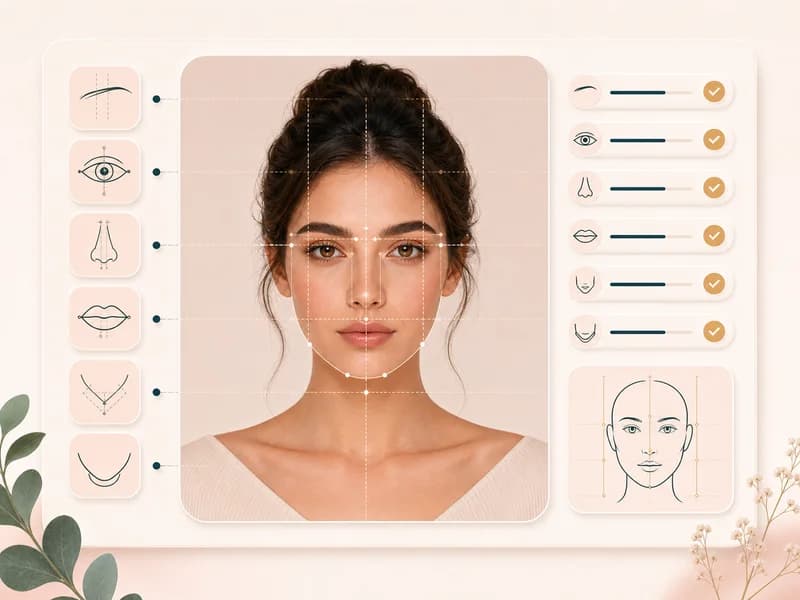
The analysis treats balance as a set of visible relationships, not a single beauty rule. It can describe how feature size, spacing, placement, and face framing work together from one image. Use this when a portrait feels different from your mirror view and you want a clearer vocabulary for what changed.
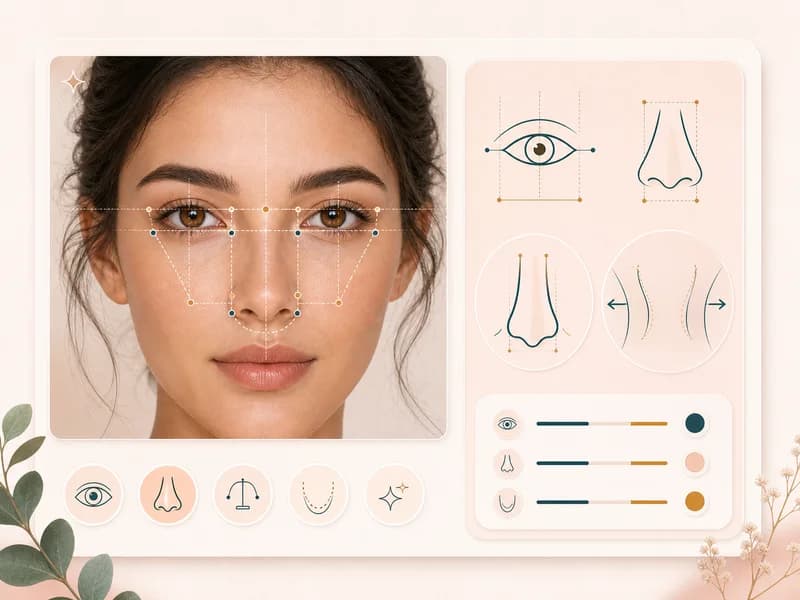
Eye spacing, nose width, bridge placement, and cheek structure can shape the center of the face. The test reads those visible cues and returns a coordination signal. This can help you compare eyeliner shape, contour placement, frame width, or camera angle without turning the result into a hard rule.
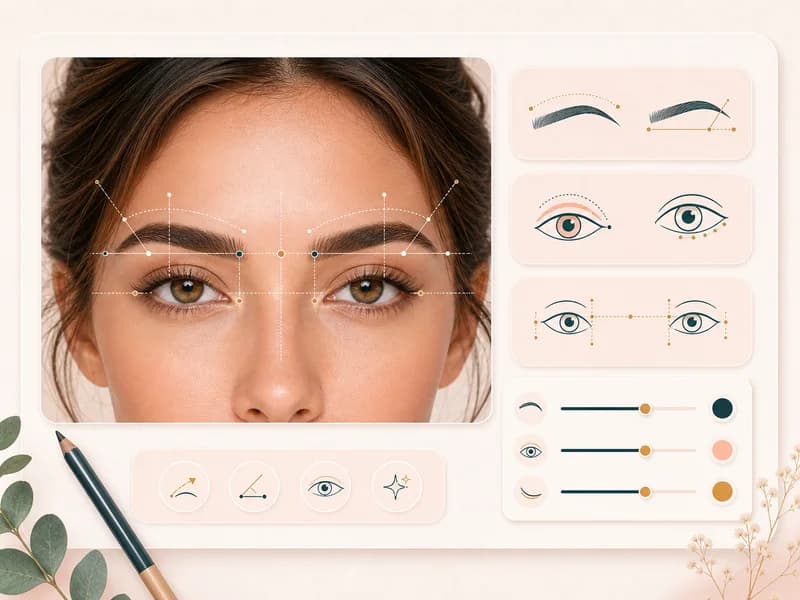
Brows change how the eyes read. The tool can review brow height, arch direction, and eye relationship from the uploaded portrait, then suggest styling ideas that may feel more balanced. This helps when you are testing brow shaping, lash direction, or makeup placement for photos.
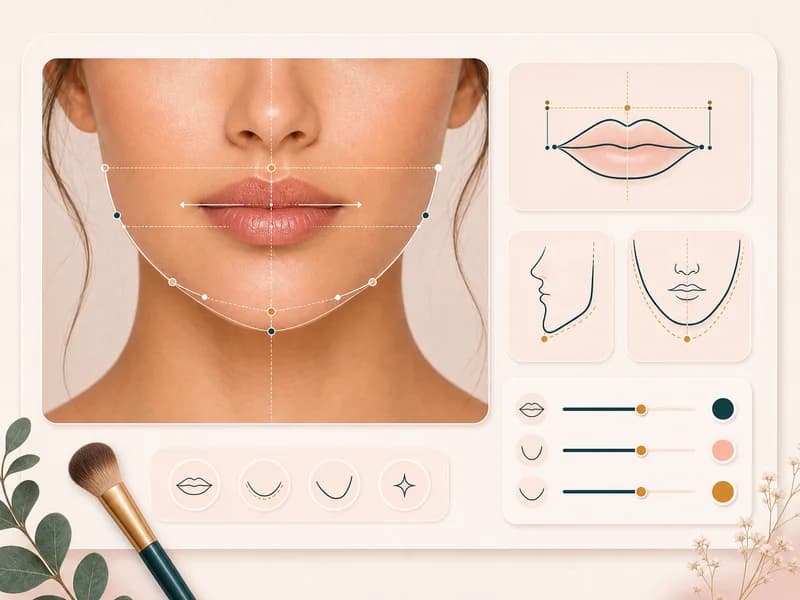
Lower face balance affects how the mouth, chin, and jaw frame the expression. The test reads visible lip and jaw relationships and offers general style notes for contour, lip shape, and face framing. It is for beauty education and should stay separate from medical or dental advice.
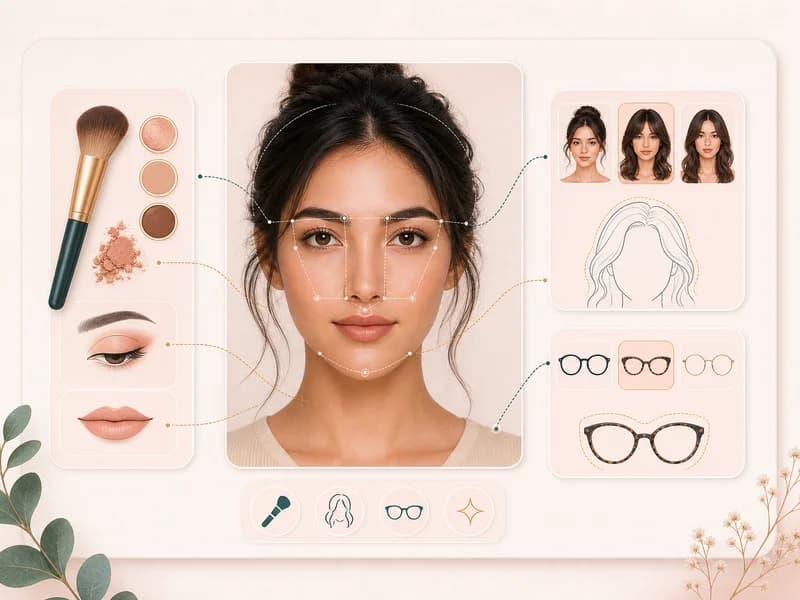
Your result can include makeup, hairstyle, eyewear, and general coordination ideas. These notes are designed for small experiments, such as softer contour, adjusted brow shape, face framing layers, or frames that echo your visible proportions. Use what feels good and ignore what does not.
Comparison table
Use this table to decide whether you need facial harmony, symmetry, proportion, or a personal beauty review.
| Option | Result detail | Privacy note | Best for |
|---|---|---|---|
| Face Harmony Test by BeautyLove | Feature relationship scores plus styling notes | Images are sent for processing. Result thumbnails may be kept in browser storage | A gentle read of facial balance from one portrait |
| Face symmetry tests | Left and right balance only | Varies by provider | Checking visible asymmetry in one photo |
| Attractiveness score tools | Usually a score or rating | Varies by provider | Entertainment style beauty scoring |
| Golden ratio calculators | Proportion rules and ratio signals | Varies by provider | Classical proportion comparison |
| Manual makeup review | Human opinion and style taste | Depends on where photos are shared | Personalized styling with a trusted artist |
Facial harmony workflow
Face harmony is the bridge between single-feature detectors and a complete beauty report. It explains face harmony meaning in practical terms: brow with eyes, nose with center face, lips with jaw, feature balance, and how styling choices can make a portrait feel more coordinated.
Harmony focuses on relationships, not isolated features. It is useful after users have already checked symmetry or golden ratio and want a more style-ready interpretation.
Brow shape, eyeliner direction, contour, hair volume, and frame width can all change how facial balance feels in a photo.
Use harmony as a kinder next step after score-heavy tools. It gives styling direction and next beauty report context without turning the face into a single rating.
Tool chain
Use the detector as a starting point, then continue into the tool that matches the next user intent.
Facial harmony describes how visible features work together. It includes balance between eyes, brows, nose, lips, jaw, and face framing.
Face harmony explains relationships and styling context. Attractiveness tools usually focus more on a score or overall photo impression.
Use Beauty Style Passport for a complete report, or choose focused try-on tools such as brow preview, eyeliner guide, glasses try-on, or contour placement.
FAQ
Harmony, symmetry, photo quality, makeup, credits, privacy, and safe expectations.
A face harmony test is an online analysis that looks at how visible facial features work together. BeautyLove reviews feature balance, eye and nose coordination, brow and eye alignment, lip and jaw harmony, and overall facial balance.
No. Face symmetry compares the left and right sides, while face harmony looks at relationships between features. Symmetry can be one clue, but harmony also includes spacing, proportion, framing, and coordination.
Use one clear front facing photo. Keep your face at eye level, use soft light, relax your expression, remove glasses, and keep hair away from the brows, eyes, cheeks, and jaw.
Makeup can change how feature relationships appear in photos. Brow shaping, eyeliner direction, contour placement, highlight placement, and lip line choices can all affect visual balance.
No. This tool is not an attractiveness judge. It gives an educational read of visible feature coordination and offers styling ideas you can try or ignore.
Yes. Lighting, camera height, lens distance, head tilt, expression, glasses, and hair placement can change the read. Try another photo if the first result feels unclear.
New users can use welcome credits to try Face Harmony Test. A successful run uses 10 BeautyLove credits, while failed requests and service errors should not consume credits.
Yes. You can upload a portrait from a mobile browser, run the test, and review the result page. Use a clear photo with one visible face for the best read.
No. BeautyLove provides beauty education and style guidance only. Do not use the result for medical, dental, cosmetic surgery, legal, employment, or safety decisions.
Privacy and responsible use
BeautyLove uses uploaded images to process the Face Harmony Test request through the selected AI service. The analysis is not processed only on your device.
Result data and thumbnails may be kept in your browser storage so the result page can show your latest face harmony read.
Upload photos you own or have permission to use. Do not upload another person for shaming, harassment, impersonation, or high stakes decisions.
The output is for beauty education and self expression. For health, dental, or cosmetic procedure questions, speak with a qualified professional.
Ready when you are
Use one clear portrait with soft light. The result will give you a calm read of visible balance and style ideas.
Loved by 5M+ BeautyLove users for hair, makeup, color, and portrait decisions.