01
Focused on one clear face
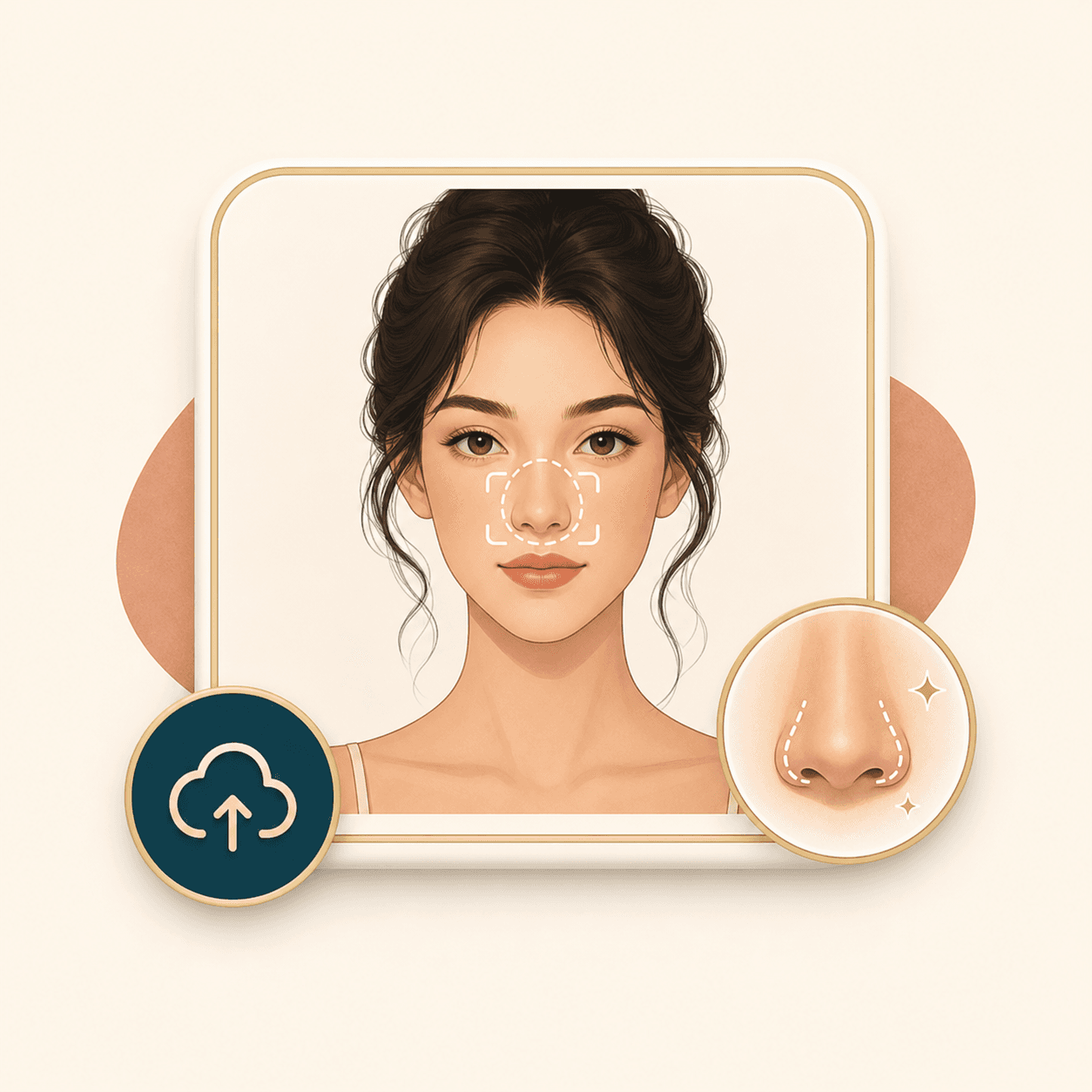
The flow is built for one portrait, so the result stays centered on the nose you actually want to analyze.
AI Detector / Nose Type Detector
Upload one clear portrait to identify your nose type, review shape confidence, and get practical style ideas for makeup, glasses, hair, and photos.
How to
Start with one clear photo. The tool reads visible nose traits and turns the result into style guidance you can test.
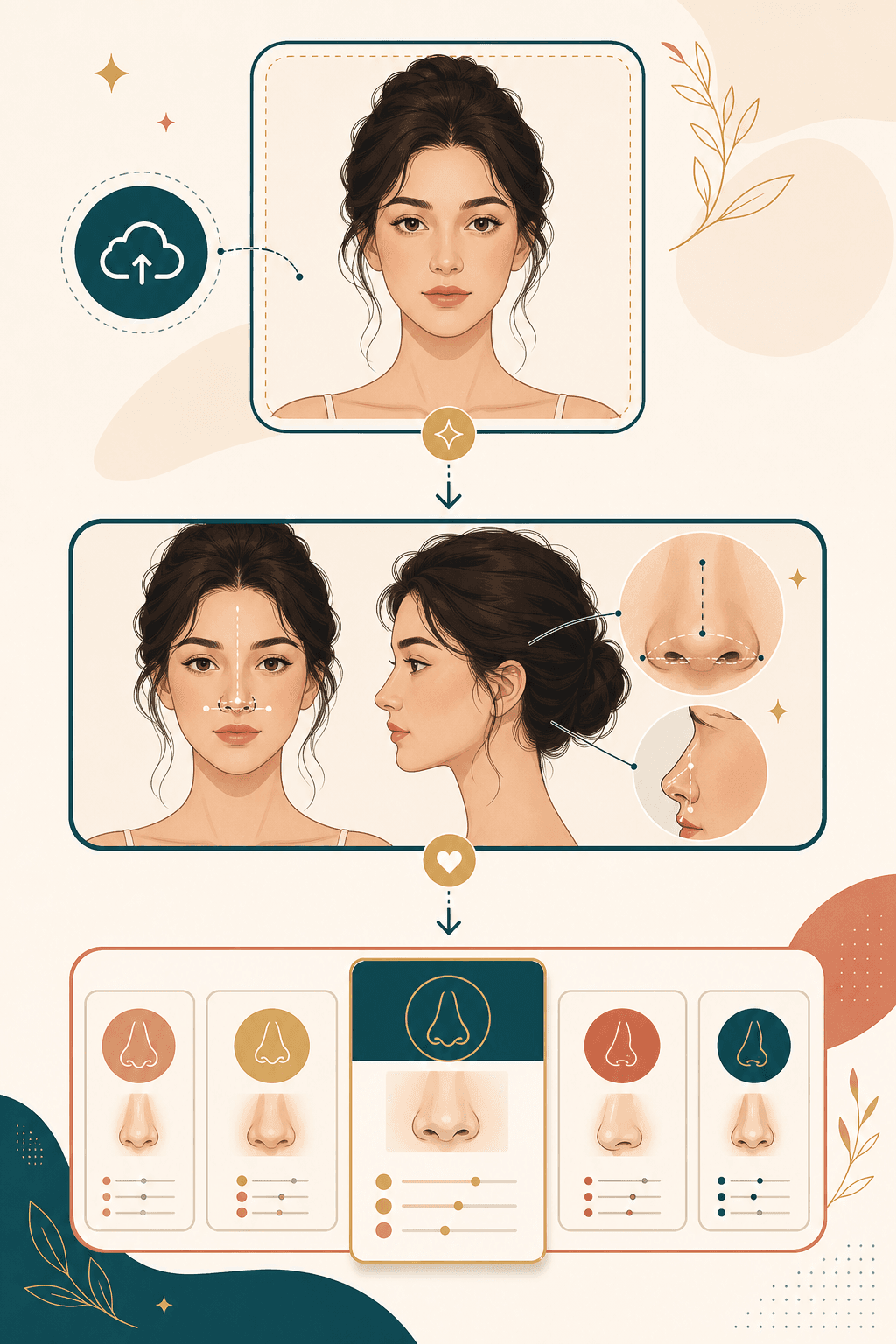
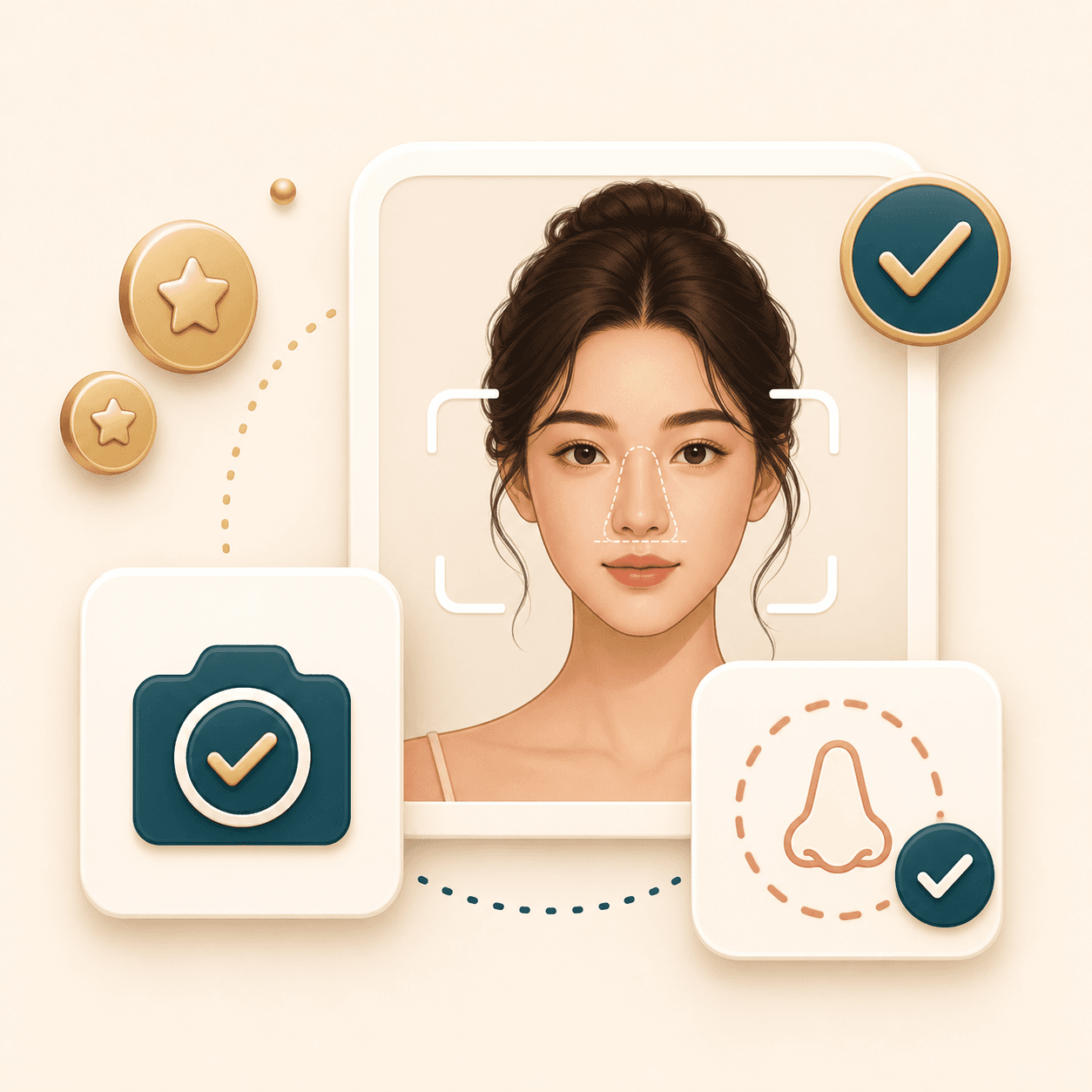
Choose a photo with one visible face and a clear nose. Front facing or gentle three quarter angles work better than heavy blur, filters, masks, or hidden features.
BeautyLove checks visible nose shape cues such as bridge line, tip shape, nostril width, projection, and overall balance with the face.
The result gives a primary nose type, supporting confidence style percentages, and a plain language description of the traits the AI noticed.
Review makeup, hairstyle, accessory, and care notes as starting points. Try the ideas that fit your face and skip anything that does not.
Why choose BeautyLove
BeautyLove keeps the read focused on visible shape and useful style choices, not personality claims or medical advice.
01
The flow is built for one portrait, so the result stays centered on the nose you actually want to analyze.
02
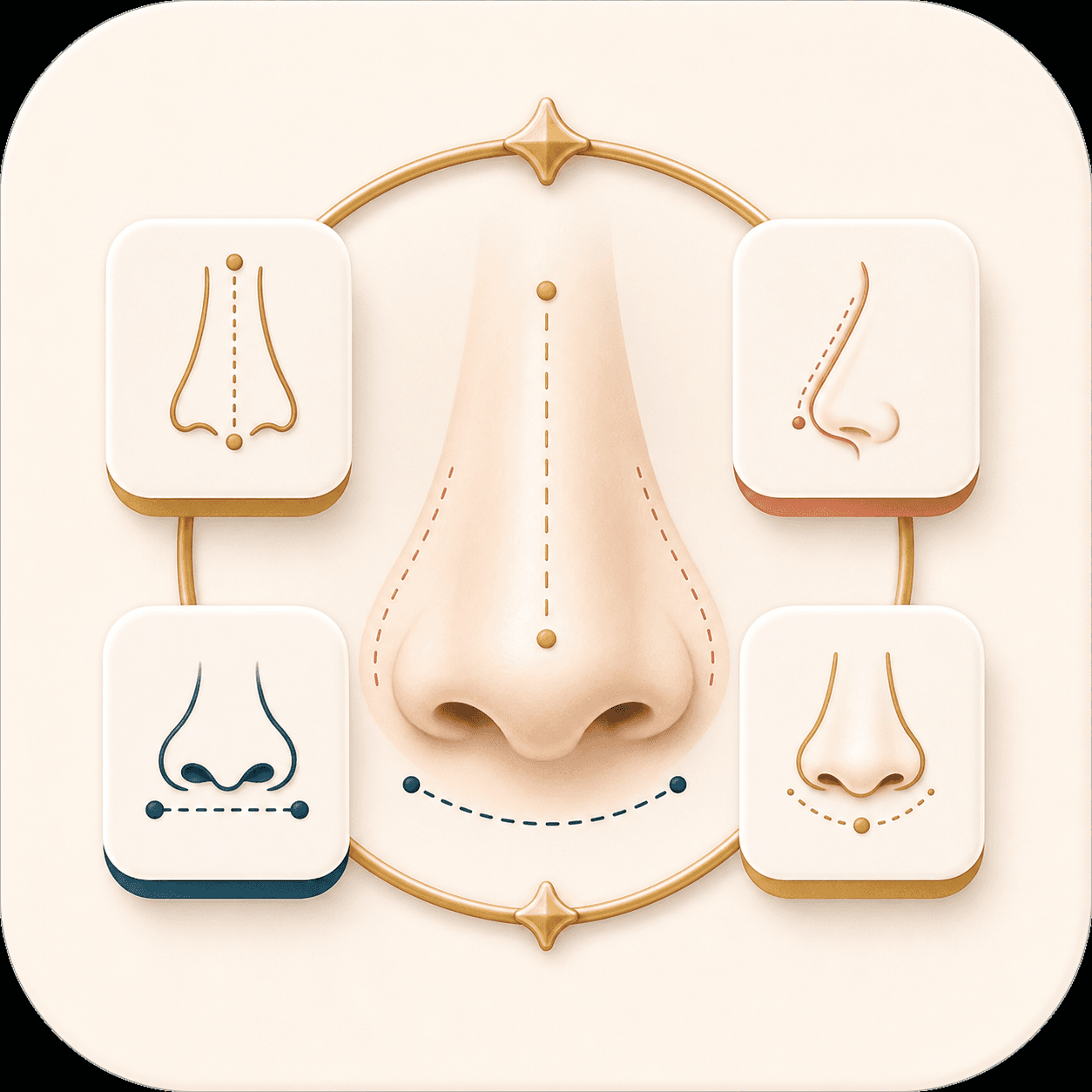
The result does more than name a category. It can describe bridge, tip, base, and profile cues in plain language.
03
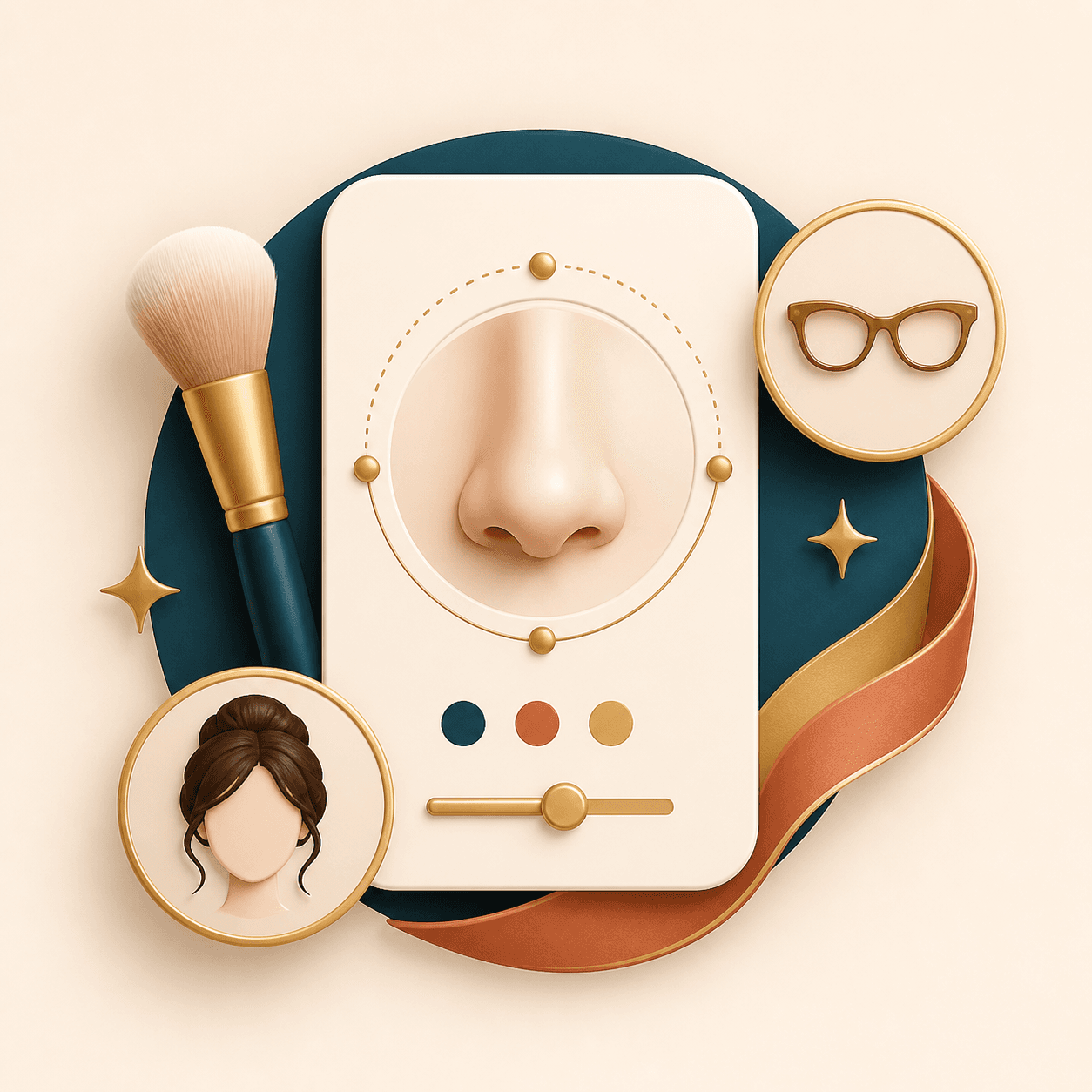
BeautyLove turns the read into makeup, hairstyle, glasses, and accessory ideas you can compare in real life.
04
Nose Type Detector is an AI Detector tool. A successful run uses 10 credits. Failed service requests should not consume credits.
Key features
The output is designed to answer your nose type question and connect that answer to practical style choices.
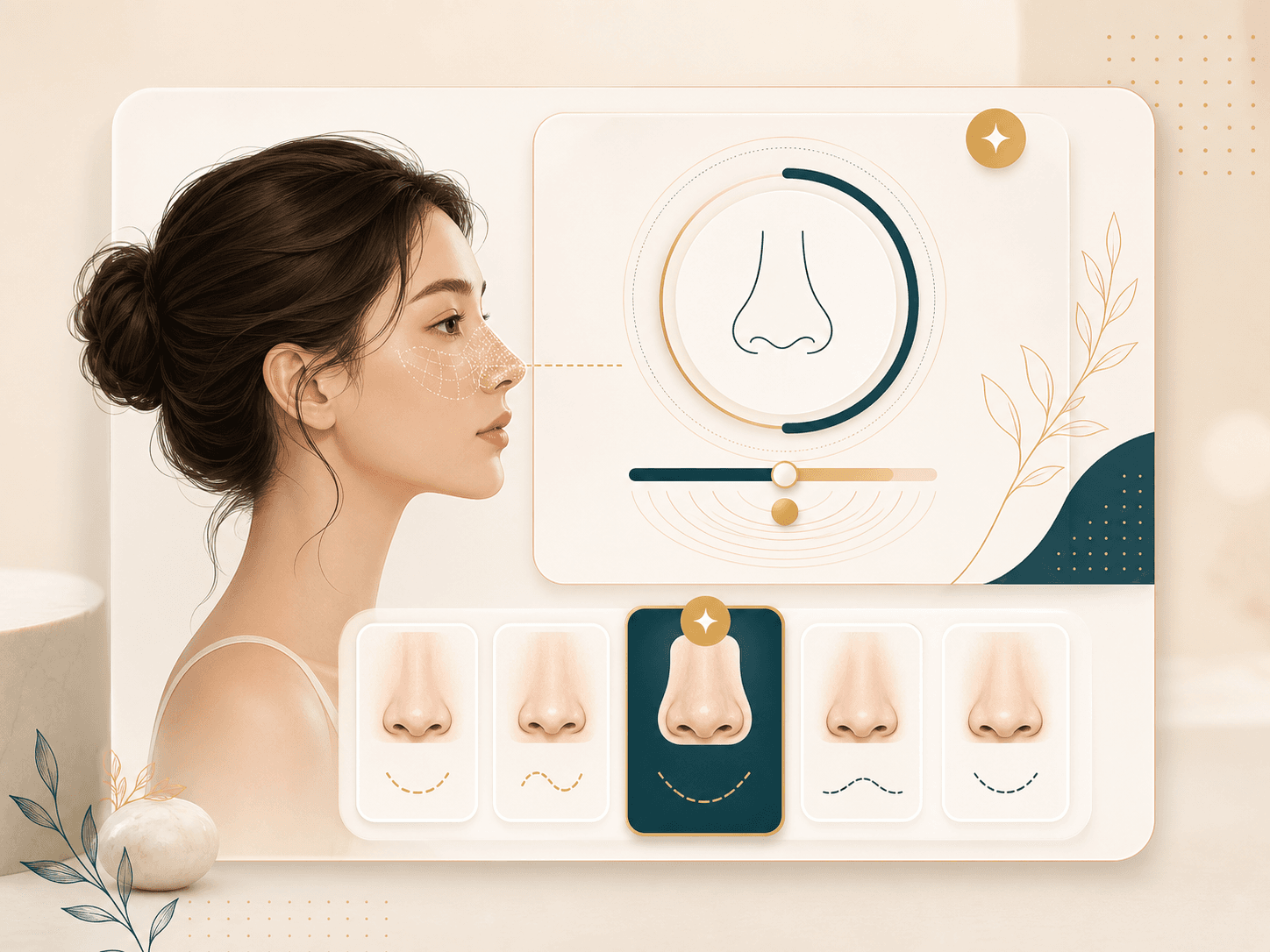
The main result answers the search question quickly by naming the nose type that best matches the visible photo. Use it as a practical description, not as a fixed label for your face.
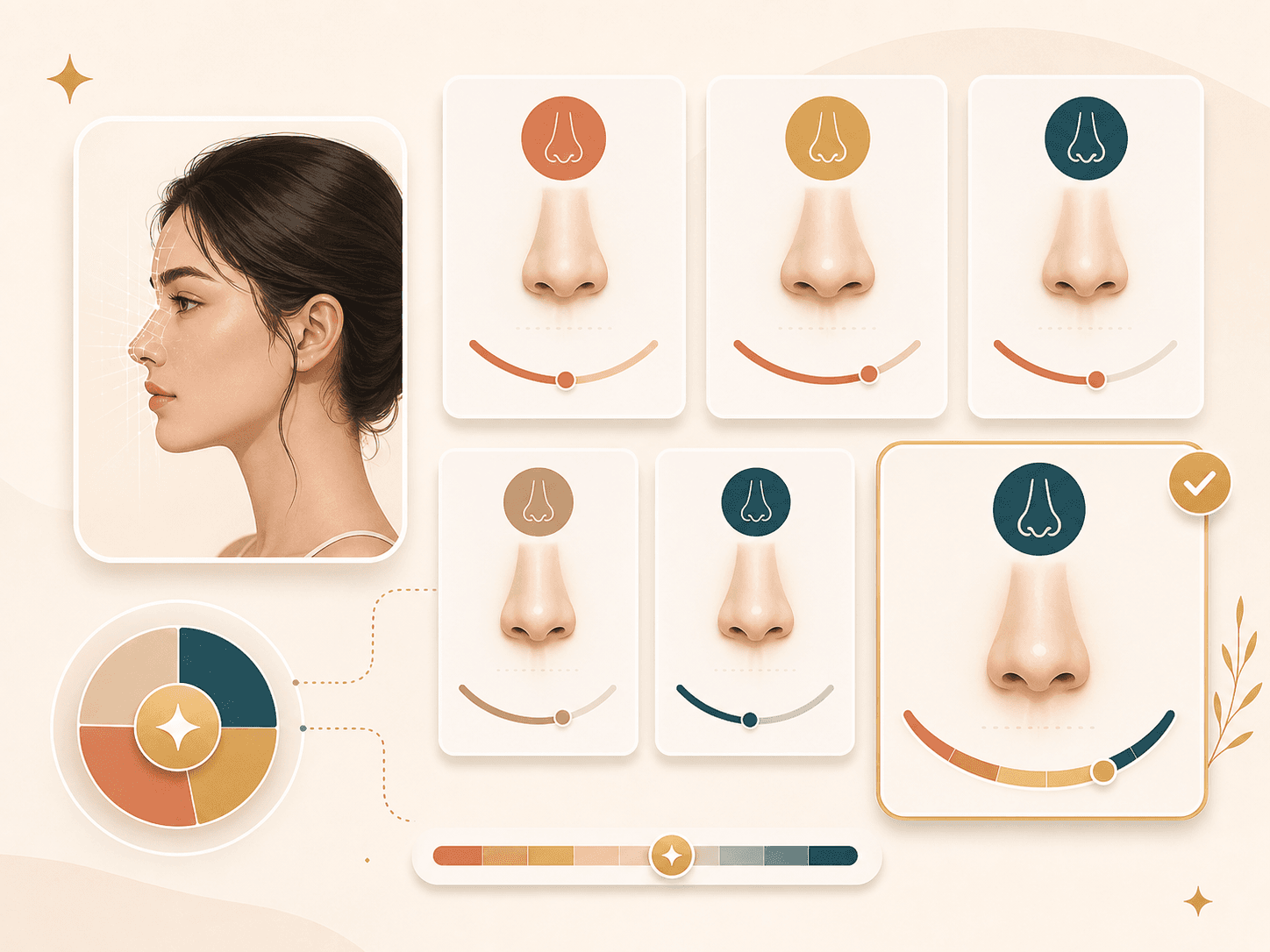
Nose shapes often blend. The supporting percentages help you see whether your result leans strongly toward one type or shares traits with nearby categories such as button, snub, fleshy, or bulbous.
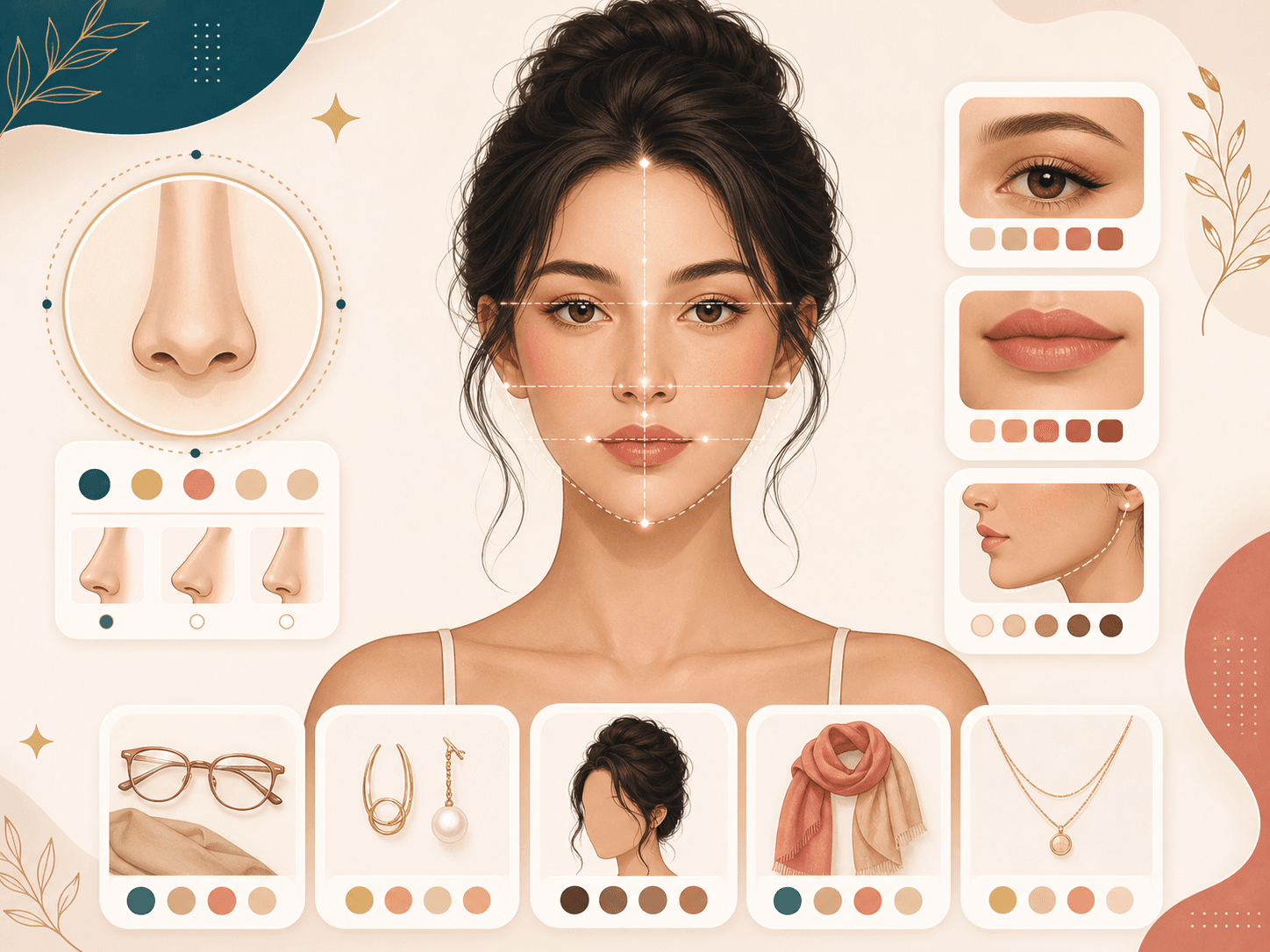
Your nose does not exist in isolation. The written analysis can help you think about how nose width, projection, and tip shape relate to eyes, lips, jaw, and overall facial harmony.
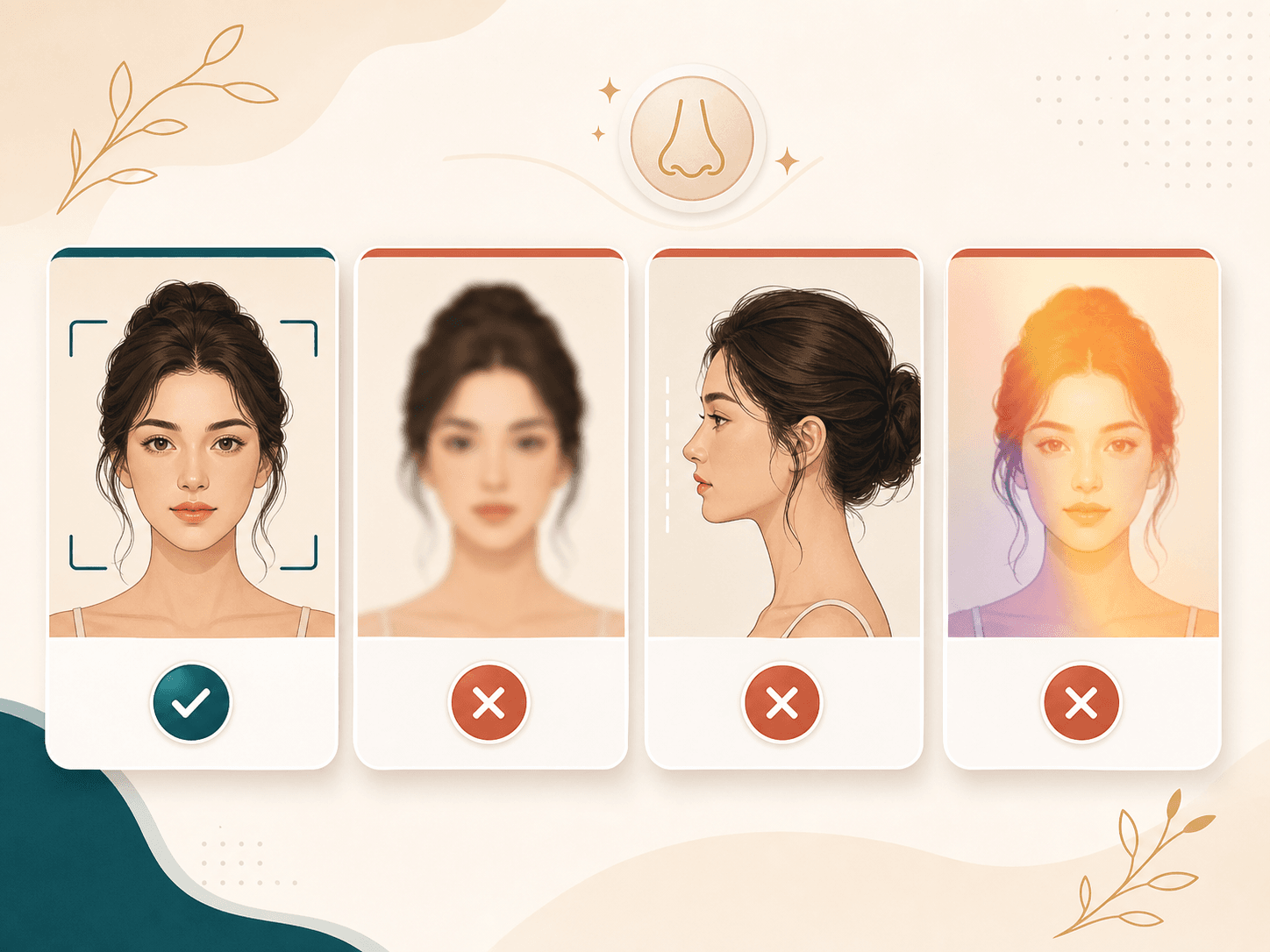
If the nose is hidden, blurry, or unclear, the detector can reject the image and ask for a better photo. That keeps weak inputs from turning into confident sounding guesses.
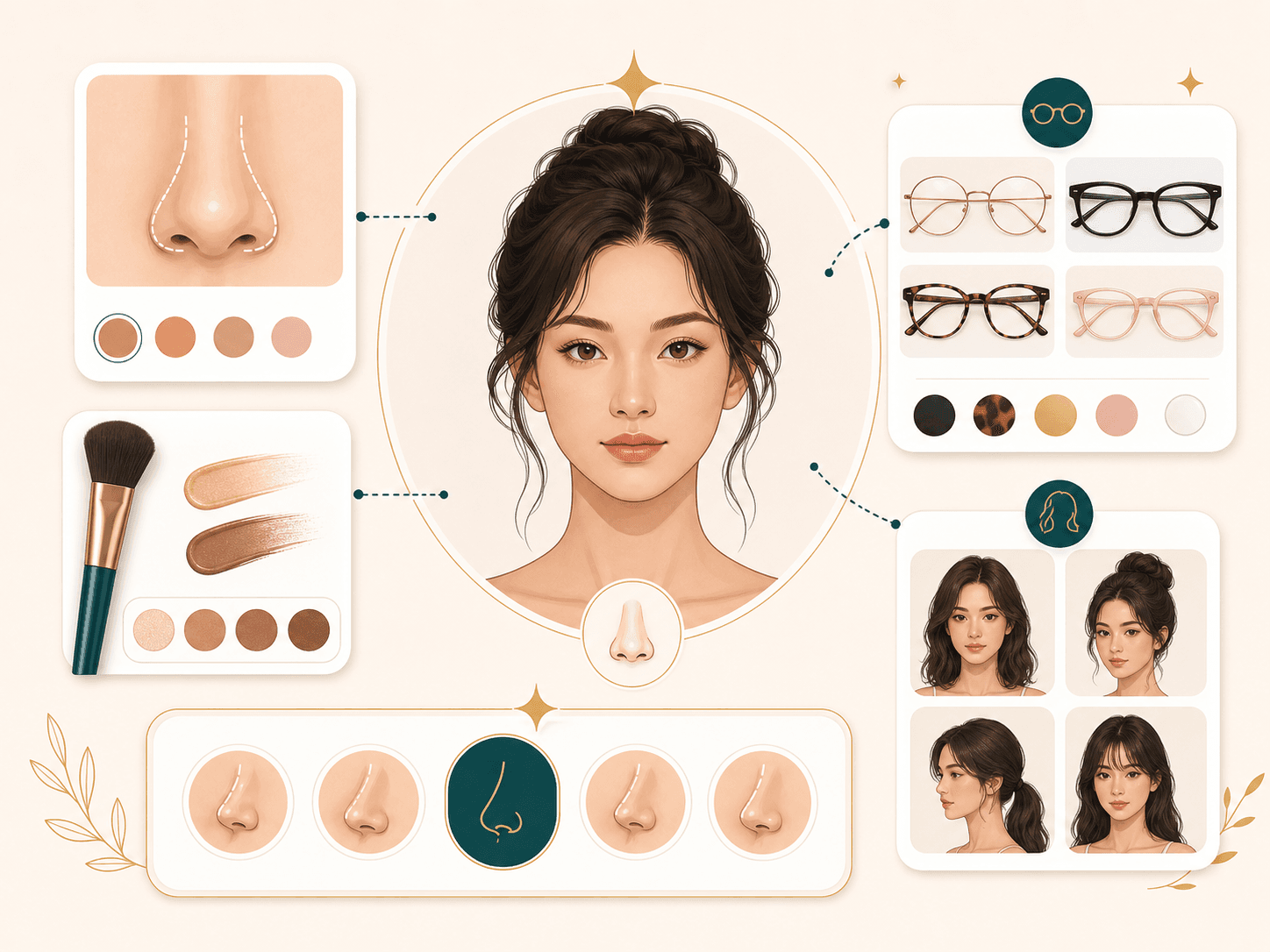
The result can include contouring, hairstyle, and accessory ideas. These notes are meant for beauty experiments, frame shopping, photo styling, and conversations with a stylist.
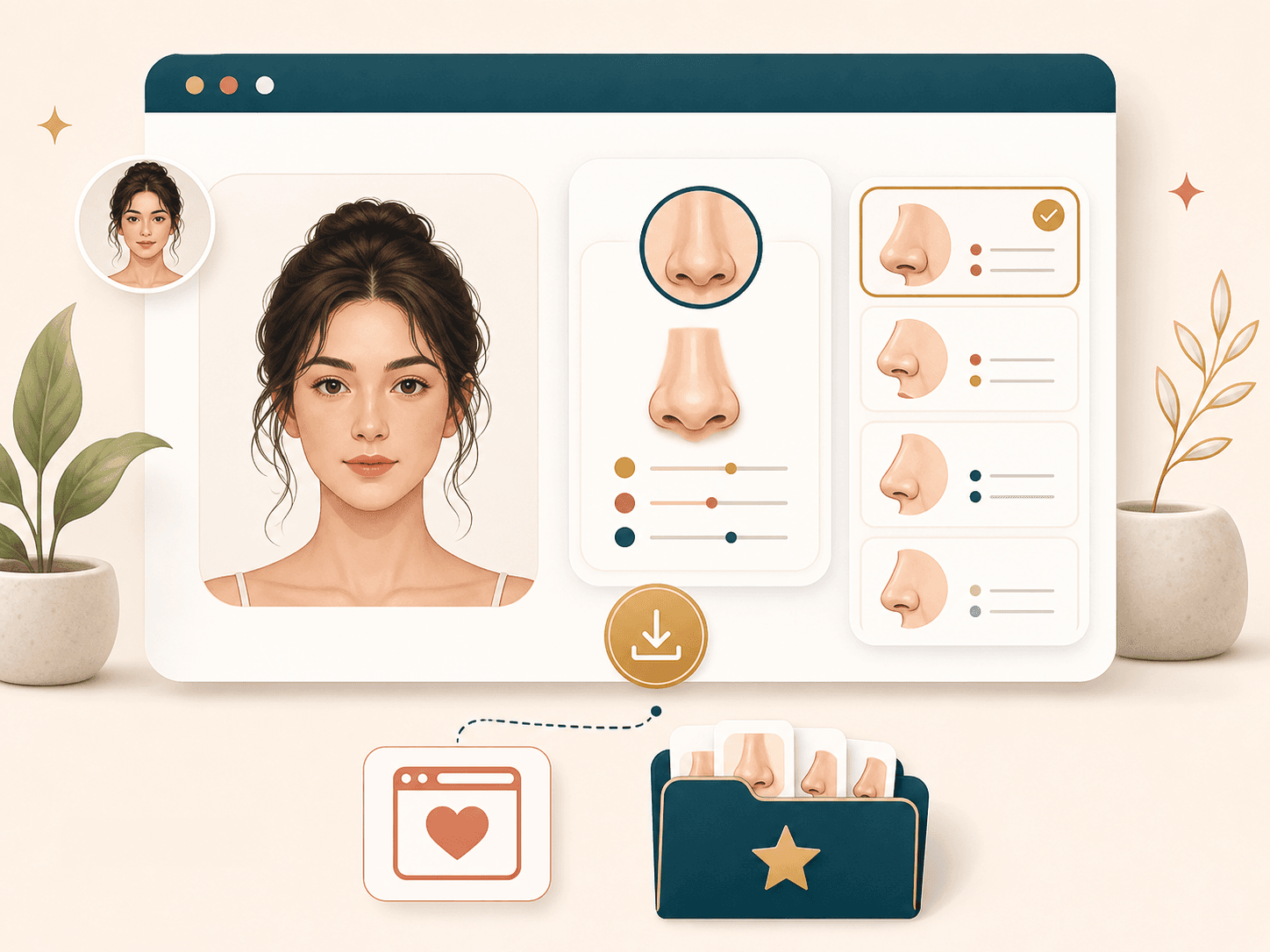
After a successful run, your latest result and a compact thumbnail may stay in your browser storage so the result page can show the analysis while you review it.
Nose shape guide
Nose type names are guides, not rules. Use them to describe visible shape traits and make styling experiments easier.
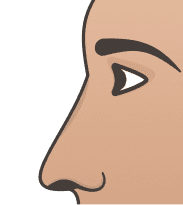
A Roman nose usually has a stronger bridge with a visible curve or ridge. It often reads clearly from a side or three quarter angle.
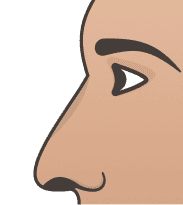
A Nubian nose often has a longer bridge with a wider base and softly flared nostrils. The shape can add graceful width to the center of the face.
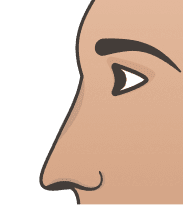
A straight nose has a bridge that appears smooth and even from top to tip. It can make profile lines look clean and balanced.
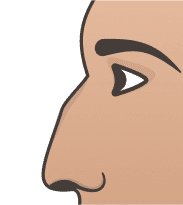
A crooked nose bends away from the center line in a C or S like path. Camera angle and past injury can both affect how visible this appears.
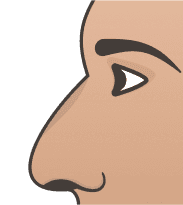
A fleshy nose has a fuller tip and softer tissue around the lower nose. It can look rounded rather than sharply defined.
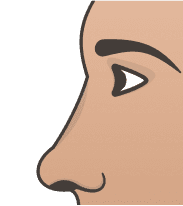
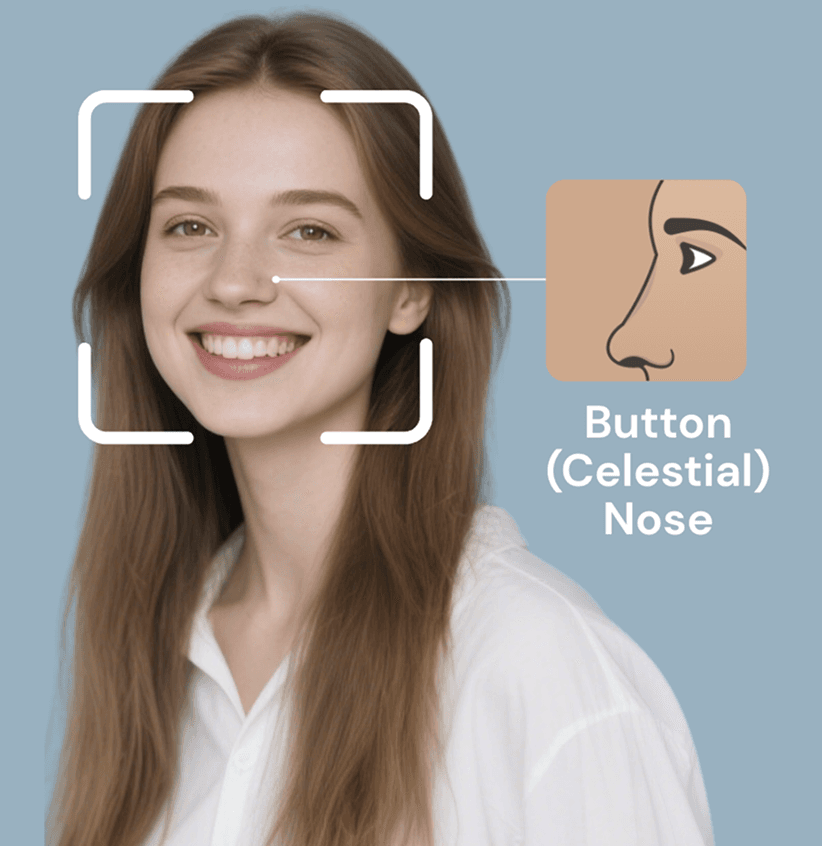
A button nose is usually smaller, rounded, and slightly upturned at the tip. It can make the middle of the face look soft and compact.
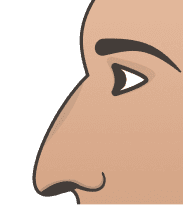
A hawk nose has a noticeable bridge curve and a more projected profile. It often shows its shape most clearly from the side.
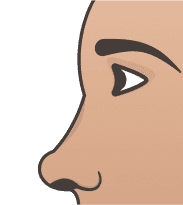
A snub nose is short, small, and often slightly upturned. It may share traits with button and celestial nose descriptions.
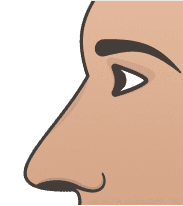
A big nose has more overall size, projection, or nostril width compared with nearby facial features. Balance depends on the whole face, not size alone.
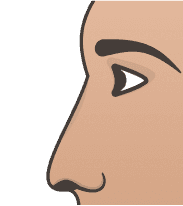
A flat nose has a lower bridge and less forward projection. Makeup, frames, and lighting can change how much depth appears in photos.
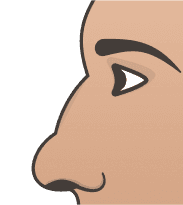
A bulbous nose has a rounder, fuller tip. The detector may also describe related fleshy traits when the tip has soft volume.
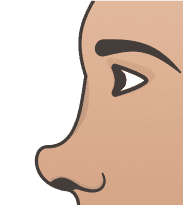
A turned up nose has a tip that angles upward, sometimes making the nostrils more visible. It can overlap with button or snub readings.
Use cases
People search for nose type detector tools when they want a clearer way to describe shape before choosing makeup, frames, or photo angles.
Use the detector when mirror checks and online charts feel too subjective. The AI gives you a quick starting point with a written explanation.
A nose type read can help you decide whether to focus on bridge definition, tip softness, side shading, or simply lighter touch blending.
Bridge height, nose width, and tip projection can affect how frames sit on the face. Use the result as one more styling clue.
If your nose looks different in every photo, the result can help you see which bridge, tip, and profile cues change with lighting and angle.
Comparison table
Different methods fit different goals. Use this table to decide whether you need a quick AI read, a manual chart, or a human expert.
| Option | Result detail | Privacy note | Best for |
|---|---|---|---|
| Nose Type Detector by BeautyLove | Primary nose type, confidence mix, written traits, and style notes | Images are sent for processing. Result thumbnails may stay in browser storage | Fast online nose type guidance with practical beauty context |
| Manual mirror or photo chart | Self chosen category based on examples | Private if you keep the photo on your own device | Learning common nose shape names before using a tool |
| Quiz style pages | Question based result with limited photo analysis | Depends on provider and quiz settings | Casual browsing when you do not want to upload a photo |
| General beauty analysis apps | Broad face, makeup, or style feedback | Varies by app and account settings | People who want a wider beauty report beyond nose shape |
| Licensed cosmetic consultation | Human assessment with medical or procedural context | Depends on clinic policy and consent forms | Health, breathing, injury, or procedure questions |
Photo tips
Small photo choices can make the difference between a useful nose type result and a rejected upload.
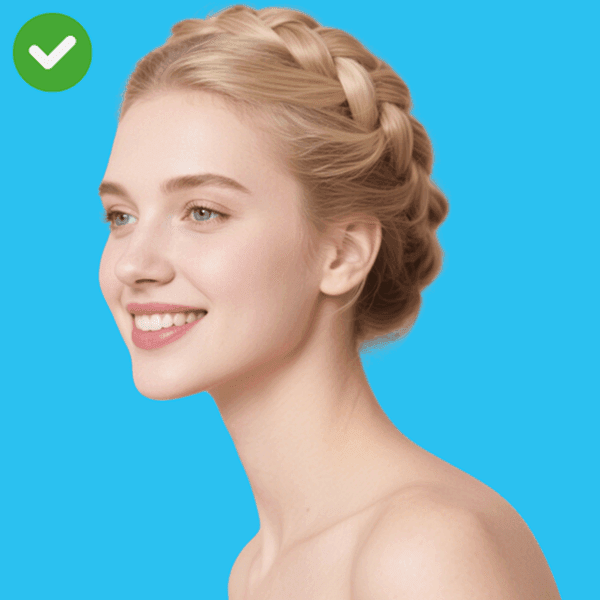
01
Pick a portrait where the nose is visible, the face is not covered, and the image is sharp enough to inspect.
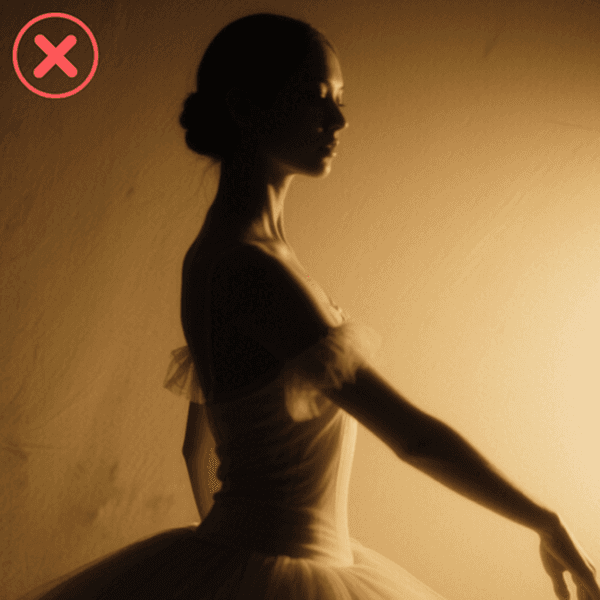
02
Soft focus, motion blur, and heavy shadows can hide the bridge and tip shape the detector needs to read.

03
A front facing or gentle three quarter photo is usually easier to analyze than an extreme tilt or hidden profile.
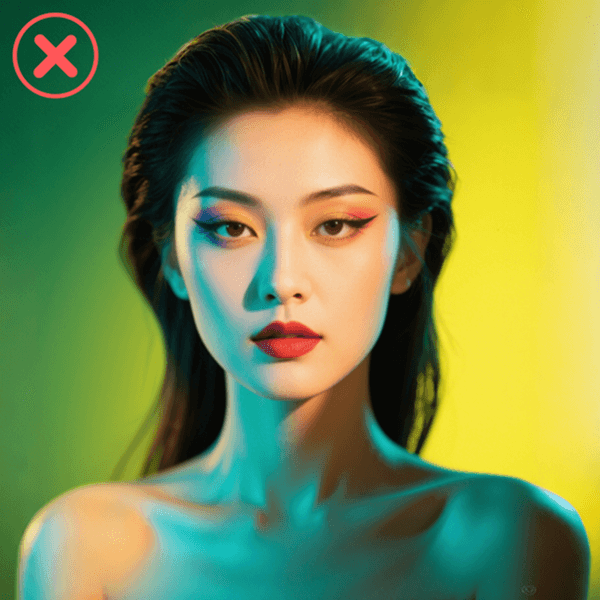
04
Beauty filters, liquify edits, and strong retouching can change the nose outline and make the result less useful.
Privacy and responsible use
BeautyLove sends the uploaded image for the selected AI analysis. The nose type detector is not processed only on your device.
Your latest result and a compact thumbnail may stay in browser storage so the result page can show the analysis.
Upload photos you own or have permission to use. Do not use the tool to shame, harass, or label another person.
This is a beauty and style tool. It is not for medical, breathing, injury, identity, hiring, or procedure decisions.
Nose shape workflow
Nose type searches usually start with a simple question: what type of nose do I have? A useful result should name visible shape cues, then connect them to contour, glasses, profile angle, and full face balance instead of leaving the user with only a label.
The detector reads visible bridge, tip, base, nostril, and projection cues from one portrait. Front-facing photos are useful for width, while slight side angles can reveal profile shape.
Most noses mix traits. A result can lean button, snub, straight, Roman, fleshy, flat, or bulbous without fitting one chart perfectly.
After the read, move into contour placement, face harmony, glasses, or profile photo tools depending on whether the next job is makeup, accessories, or a better picture.
Tool chain
Use the detector as a starting point, then continue into the tool that matches the next user intent.
Upload a clear portrait and the detector estimates your visible nose type from bridge line, tip shape, base width, nostril visibility, and projection.
No. Lighting, angle, expression, and crop can change the visible read. Use the result as a practical style description rather than a permanent label.
Try contour placement for makeup, glasses try-on for bridge and frame balance, or face harmony if you want full-face context.
FAQ
Nose types, photo quality, credits, privacy, contouring, glasses, and the limits of AI guidance.
A nose type detector is an online tool that analyzes a portrait and estimates which nose shape category best matches the visible nose traits.
Upload one clear portrait, run the detector, and review the primary nose type plus supporting confidence mix. Compare the written traits with your own photos.
Use a clear portrait with one visible face and a readable nose. Avoid group photos, strong blur, dark shadows, masks, filters, and heavy editing.
Nose Type Detector can give a useful visual estimate, but photo angle, lighting, blur, expression, and edits can affect the result. Treat it as beauty guidance.
The tool can compare your photo with common categories such as Roman, Nubian, straight, crooked, fleshy, button, hawk, snub, big, flat, bulbous, and turned up noses.
Yes, the result can include makeup guidance that helps you think about bridge definition, side shading, tip softness, and highlight placement.
Yes, the accessory notes can give frame direction based on the visible shape. Still try frames in person because fit depends on bridge height, width, and comfort.
Yes, Nose Type Detector uses 10 credits for a successful AI Detector run. Failed service requests and invalid image results should not consume credits.
Your latest result and a compact thumbnail may stay in your browser storage so the result page can display the analysis. You can clear browser storage to remove it.
No, this is not medical or rhinoplasty advice. Use it for beauty and styling exploration, not for breathing issues, injury questions, diagnosis, or procedure planning.
Ready when you are
Use a clear portrait, run the detector, and read the result as a helpful beauty guide.
Loved by 5M+ BeautyLove users for hair, makeup, color, and portrait decisions.