Plan eyeliner before you practice
Use the read to decide whether you want to lift, elongate, round, soften, or define the outer corner before trying a new eyeliner shape.
AI Detector · Eye Shape Detector
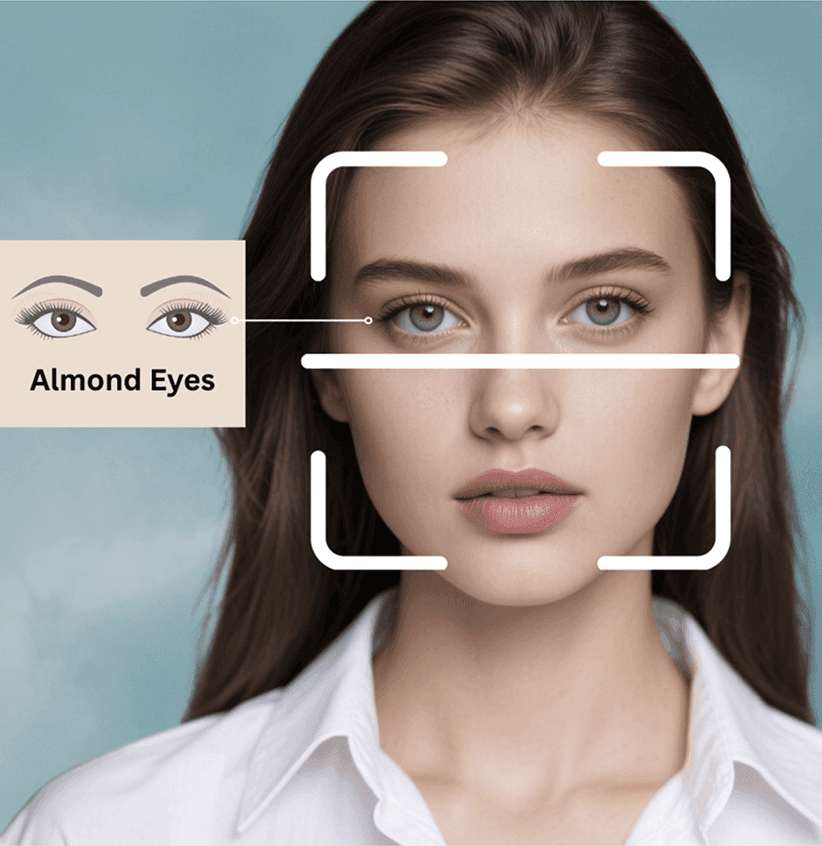
Upload one clear portrait to estimate your eye shape, review confidence signals, and get practical ideas for eyeliner, eyeshadow, lashes, brows, and glasses.
How to
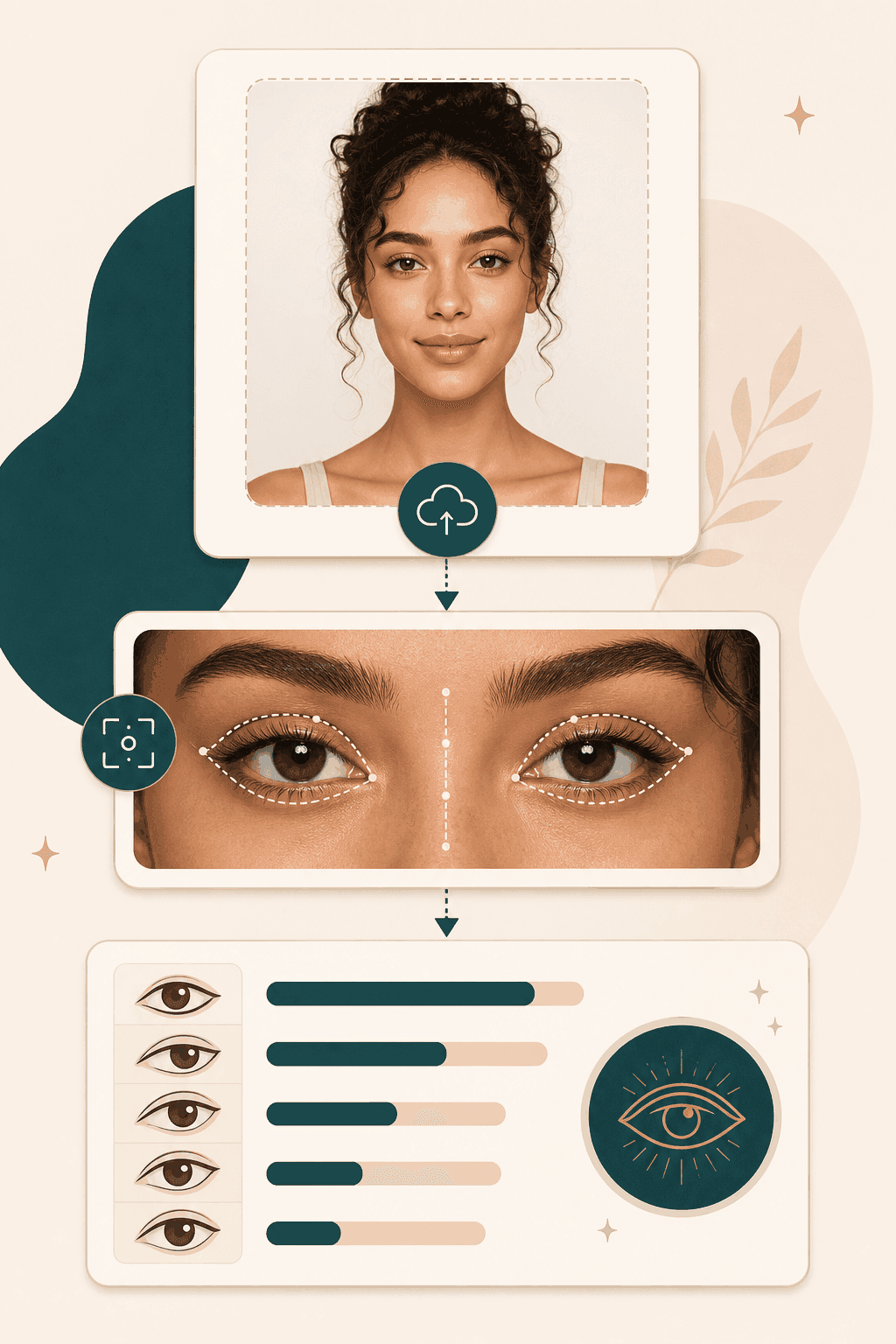
Start with one clear portrait. The tool reads visible eye features and turns the result into styling guidance you can compare.
Choose a front facing photo with one visible face. Keep both eyes open, evenly lit, and clear of glasses, heavy bangs, hands, masks, or strong shadows.
Start the scan and BeautyLove reads visible eye details such as lid shape, eye angle, openness, spacing, and depth from the uploaded image.
Read the primary eye shape and supporting confidence style percentages. Many faces blend more than one category, so use the result as a guide.
Turn the result into practical ideas for eyeliner, eyeshadow, lashes, brows, and glasses. Save the report if you want a reference later.
Catalog
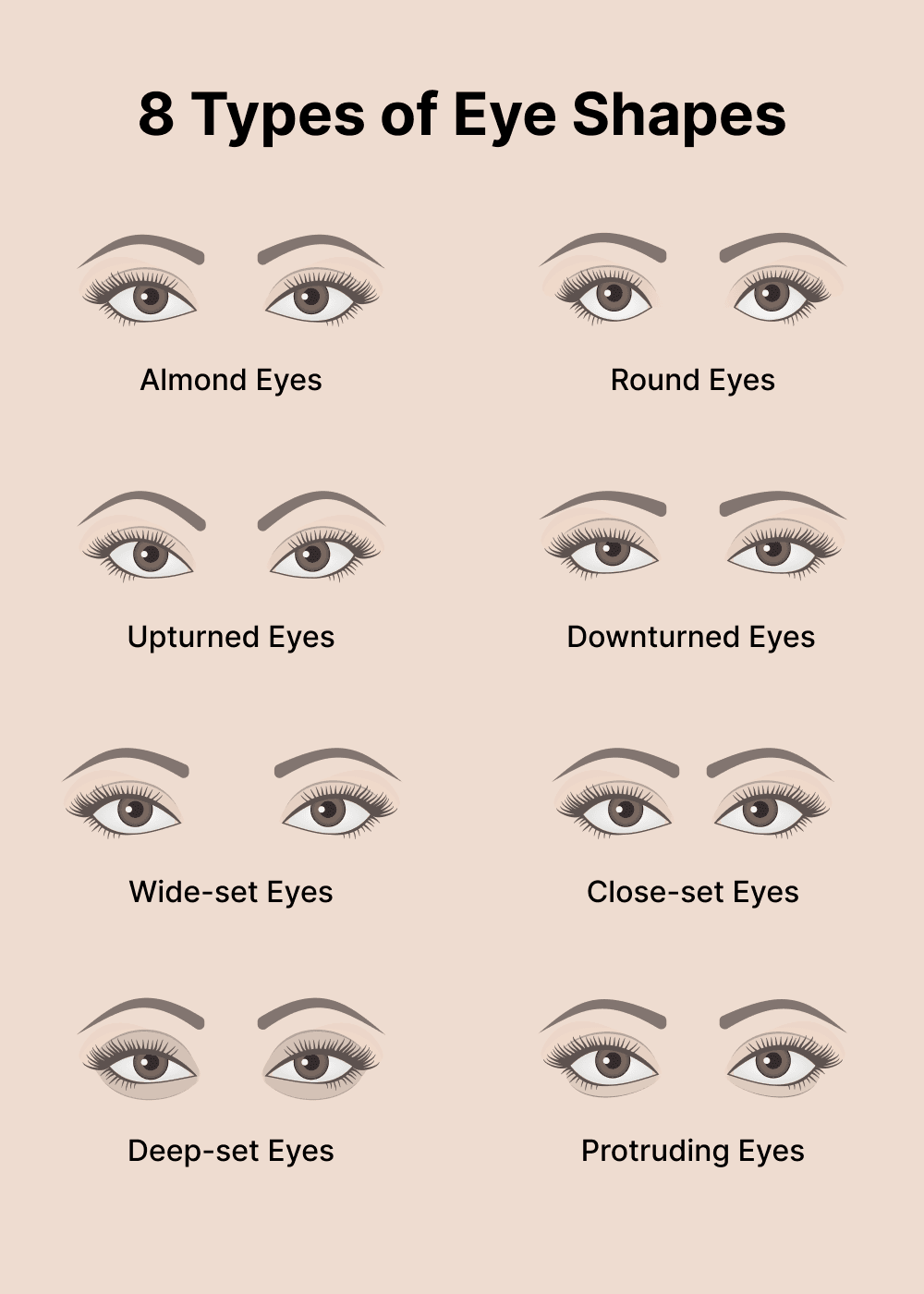
Explore 8 common eye shape patterns. Use the chart as a reference for makeup placement, glasses comparison, and reading your result with more context.
 ✦ Common guide
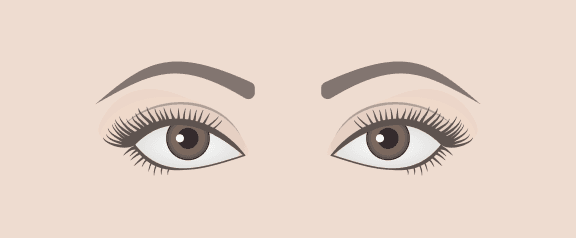
Almond eyes are usually longer than they are tall, with softly tapered inner and outer corners. This shape often works with balanced liner, soft crease depth, and gentle outer corner definition.
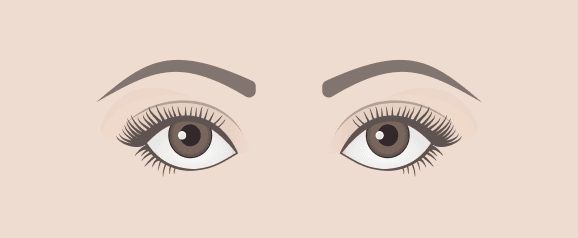
Round eyes look open, with more visible lid height and a curved outline. Liner and shadow can add outward length when you want the eye to look less circular.
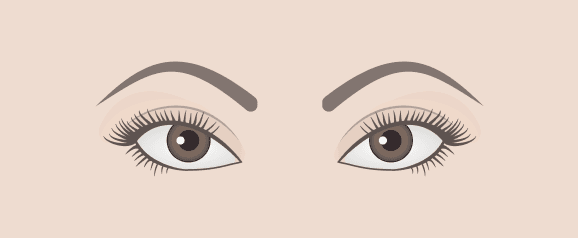
Upturned eyes have an outer corner that sits higher than the inner corner. A soft wing can follow that lift, while lower lash shadow can help the shape feel balanced.
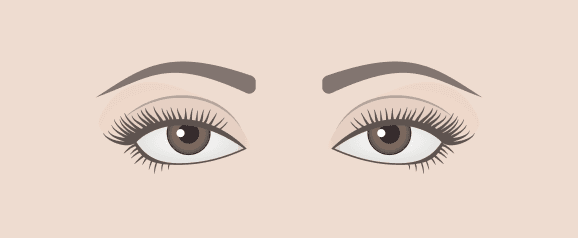
Downturned eyes have an outer corner that sits lower than the inner corner. Lifted liner, curled lashes, and shadow placed slightly above the outer corner can help visually raise the shape.
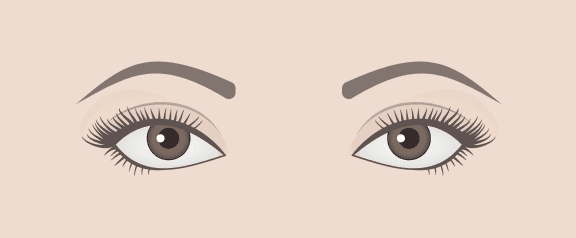
Wide set eyes have more visible space between the inner corners. Inner corner definition, balanced brow shape, and frame width can help the eyes read closer together.
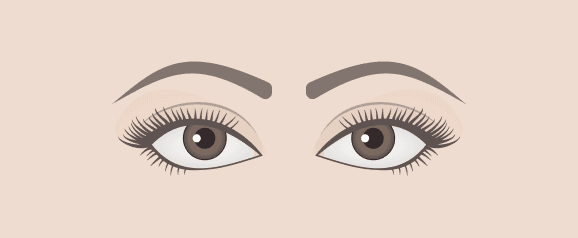
Close set eyes have less space between the inner corners. Bright inner corners, outward shadow, and outer third liner can make the eye area feel more open.
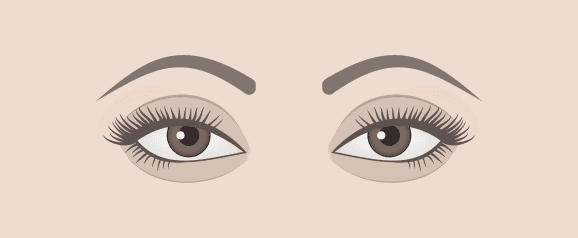
Deep set eyes sit farther back under the brow bone, which can make the crease look shaded. Lighter lid color and open liner can help bring the eyes forward.
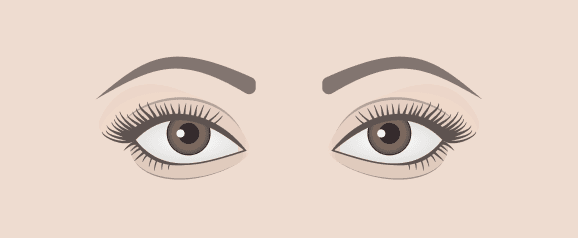
Protruding eyes sit more forward and can look very open. Matte shadow, blended liner, and softer shimmer placement can add depth without making the eyes look larger.
Use cases
People search for eye shape detector tools when makeup, lashes, frames, or brow ideas feel hard to choose from a mirror alone.
Use the read to decide whether you want to lift, elongate, round, soften, or define the outer corner before trying a new eyeliner shape.
Eye shape affects where crease color, shimmer, and depth show up. The detector gives you a starting point for smarter blending.
Lash length, curl, and brow angle can change how open the eyes look. Use the result to compare styles with more context.
Spacing, depth, and eye angle can affect frame harmony. Treat the result as one visual clue when you compare eyewear shapes.
Makeup notes
Eye shape can guide where liner, shadow, and mascara should sit. Use these notes as starting points, then adjust them to your lid space.
Almond eyes often work with many liner shapes. Use a soft crease shade for depth, keep the inner corner lighter, and extend the outer liner when you want more length.
Round eyes look wide and bright. To add definition, apply a darker shade on the outer corners and blend outward. A thin, slightly extended eyeliner helps elongate the shape, while curled lashes open up the eyes even more.
Upturned eyes have a natural lift at the outer corners. Enhance their shape with soft, smoky eyeshadow along the lower lash line. A subtle winged liner follows the natural upward angle, keeping the look balanced and elegant.
For downturned eyes, the goal is to lift the outer corners. Apply a medium-tone shadow slightly above the crease and extend eyeliner slightly upward. Avoid heavy liner on the lower lash line, as it can make the eyes look droopy.
To bring wide set eyes visually closer, apply a little more depth near the inner corner and avoid pulling the outer liner too far past the lash line.
To create the illusion of wider spacing, keep the inner corner bright and place more shadow, liner, and lash length toward the outer third.
Deep set eyes can appear shadowed, so brighten the lid and avoid placing very dark color too high in the crease. Lengthening mascara can open the shape.
To create a balanced look, use matte eyeshadows in medium to dark tones to reduce the appearance of puffiness. A slightly winged liner helps define the lash line without overwhelming the eye shape.
Treat these notes as practical prompts. Your best result still depends on your features, preferred style, and how the look feels in real light.
Capture
The same eyes can read differently with angle, lighting, lens distance, and obstruction. These rules reduce avoidable noise.

01
A centered, evenly lit portrait gives the detector the best view of your lid shape, eye angle, and eye spacing.

02
Side views and tilted selfies can change the apparent shape of the eyes and make the result harder to trust.

03
Dim light and strong shadows can hide the crease, lash line, and outer corner, which weakens the eye shape read.
04
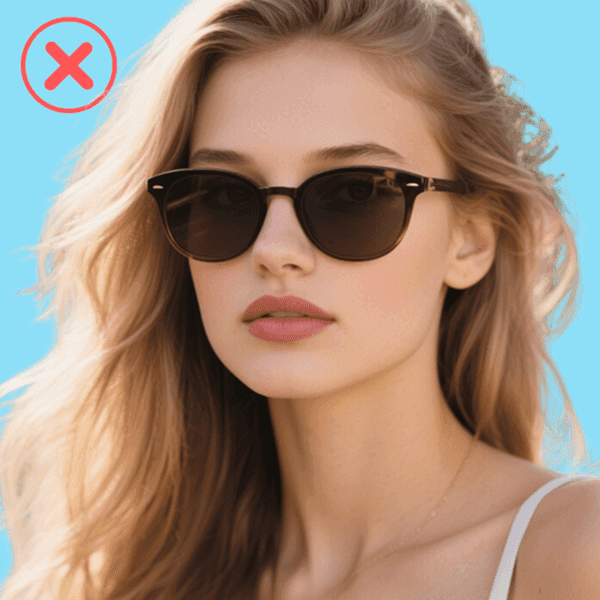
Remove sunglasses, heavy frames, hair, hands, and anything else that covers the eyelids or eye corners.
Why choose BeautyLove
BeautyLove turns one clear portrait into practical beauty signals. The eye shape detector keeps the result focused on choices you can test.
01
BeautyLove keeps the upload flow centered on one clear portrait, so the result stays easier to read than broad beauty apps.
02
The result can show a primary shape and supporting percentages, which helps when your eyes sit between common categories.
03
Your result connects to eyeliner, eyeshadow, brows, lashes, and eyewear ideas you can try without treating them as rules.
04
Eye Shape Detector is an AI Detector tool. A successful run uses 10 credits, while failed service requests should not consume credits.
Key features
The output is designed to answer your eye shape question and connect that answer to practical style choices.
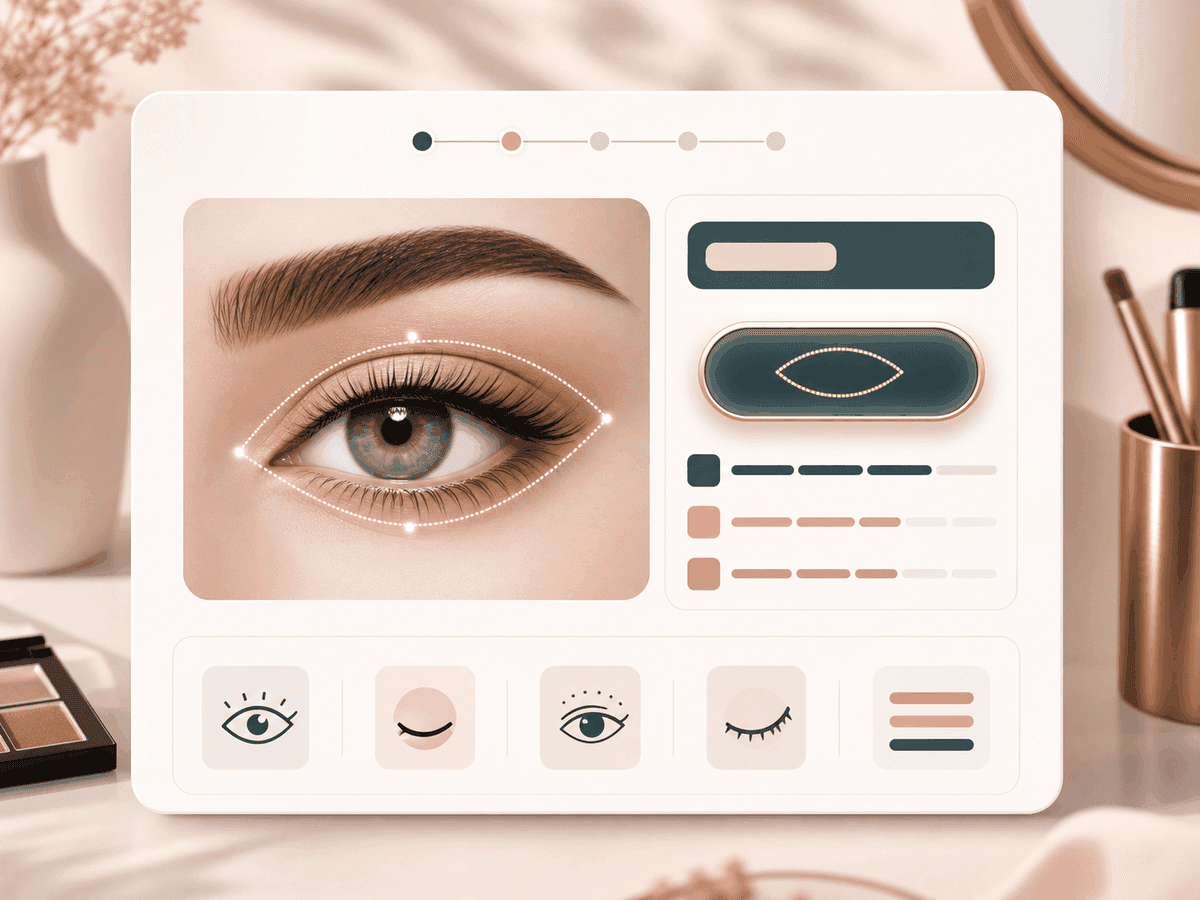
The first result names the eye shape that best matches the visible details in your photo. It is meant to answer the question quickly while keeping enough context for a practical beauty read.
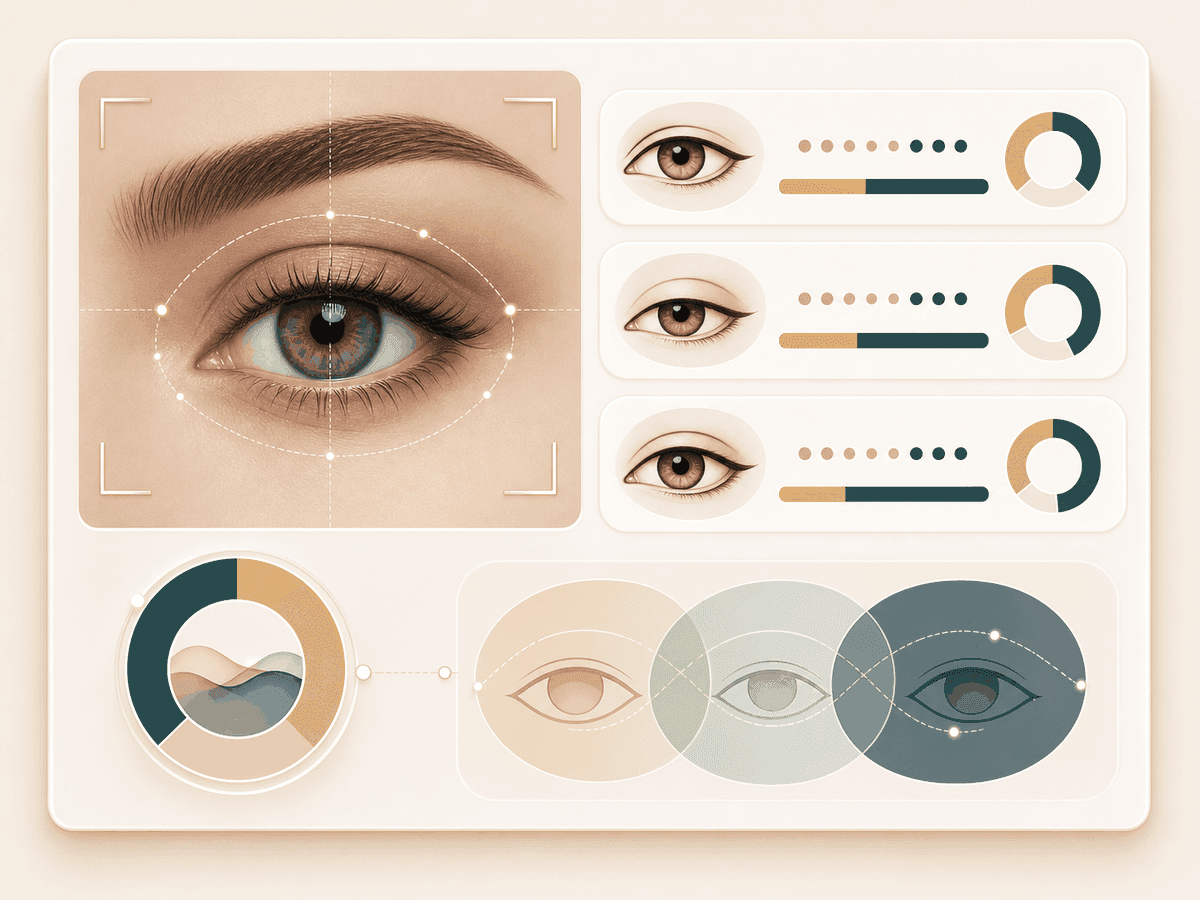
Many eyes do not fit one perfect category. Supporting confidence style percentages help show whether your result leans almond, round, upturned, downturned, wide set, close set, deep set, or protruding.
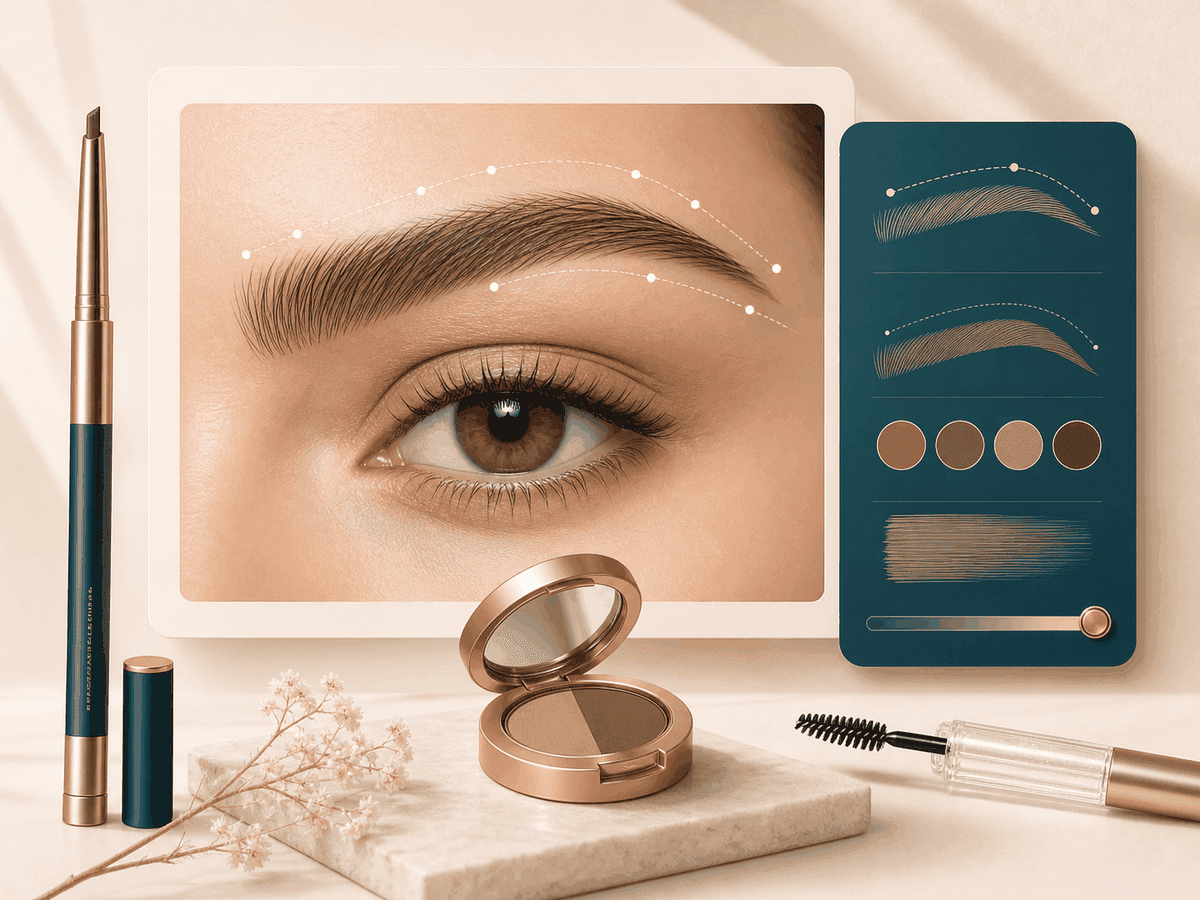
The report can suggest where to add lift, length, softness, depth, or brightness. Use the notes as makeup prompts, then adjust for your lid space and personal style.
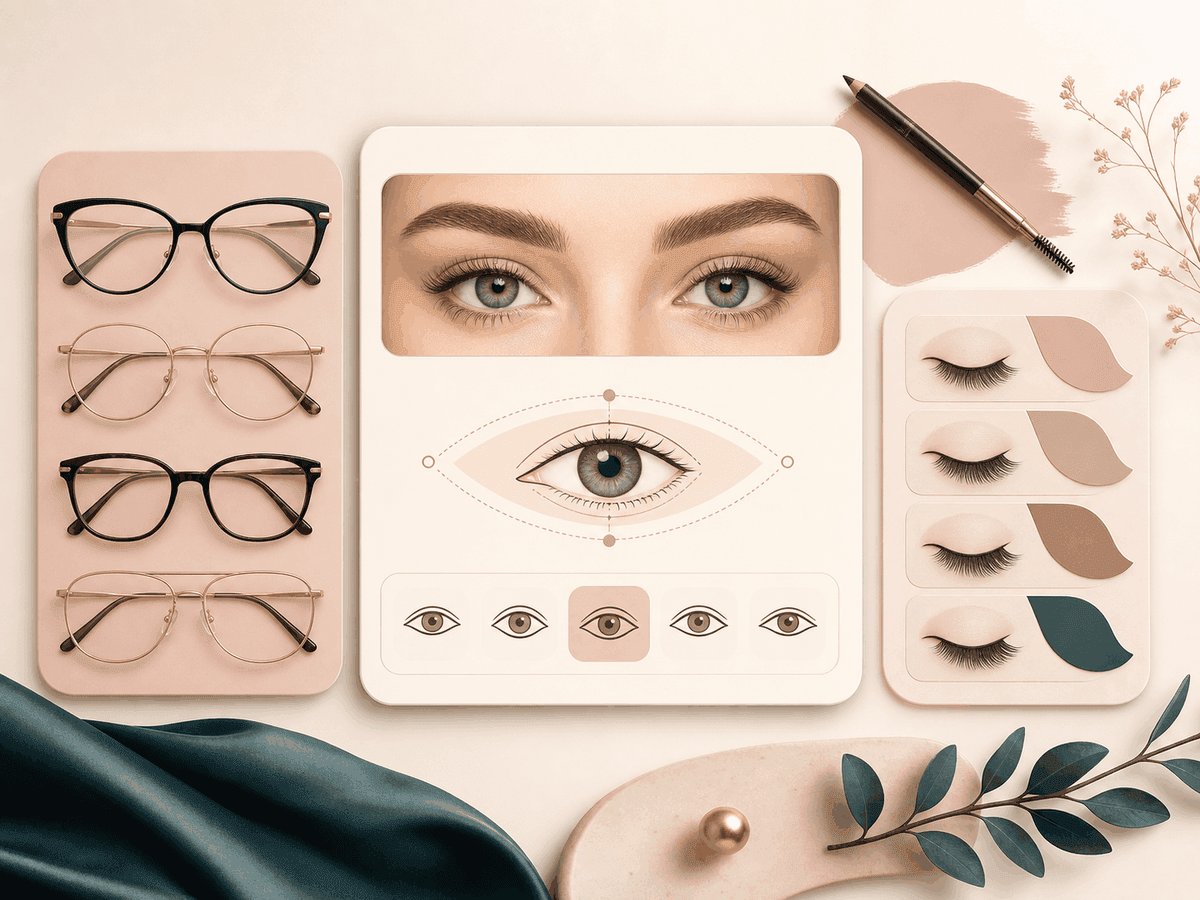
Eye shape can change how brow angle, lash placement, and frame shape feel on your face. BeautyLove gives practical cues for comparing those styling choices.
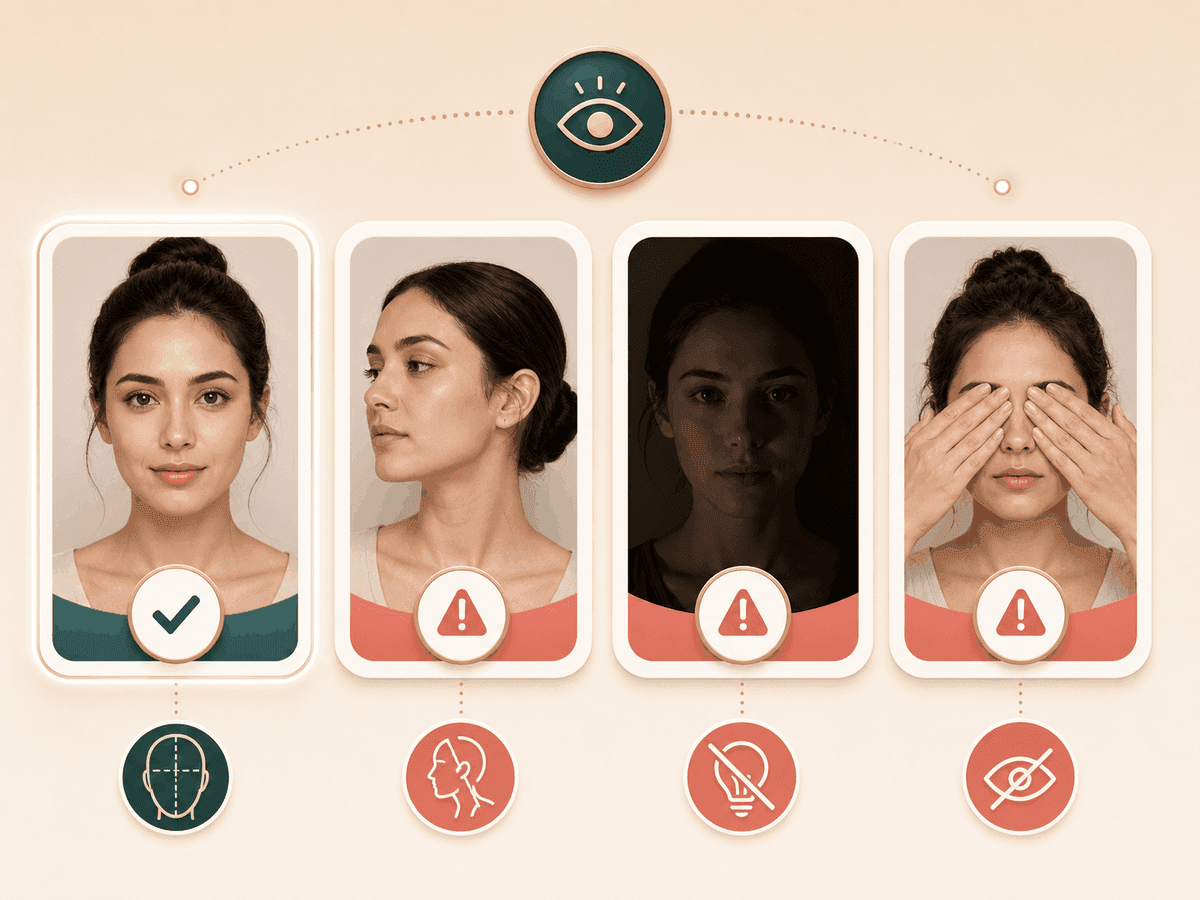
The tool needs one clear face with visible eyes. If the photo has no clear eyes, multiple faces, or blurry eyes, it asks for a better image instead of forcing a weak read.
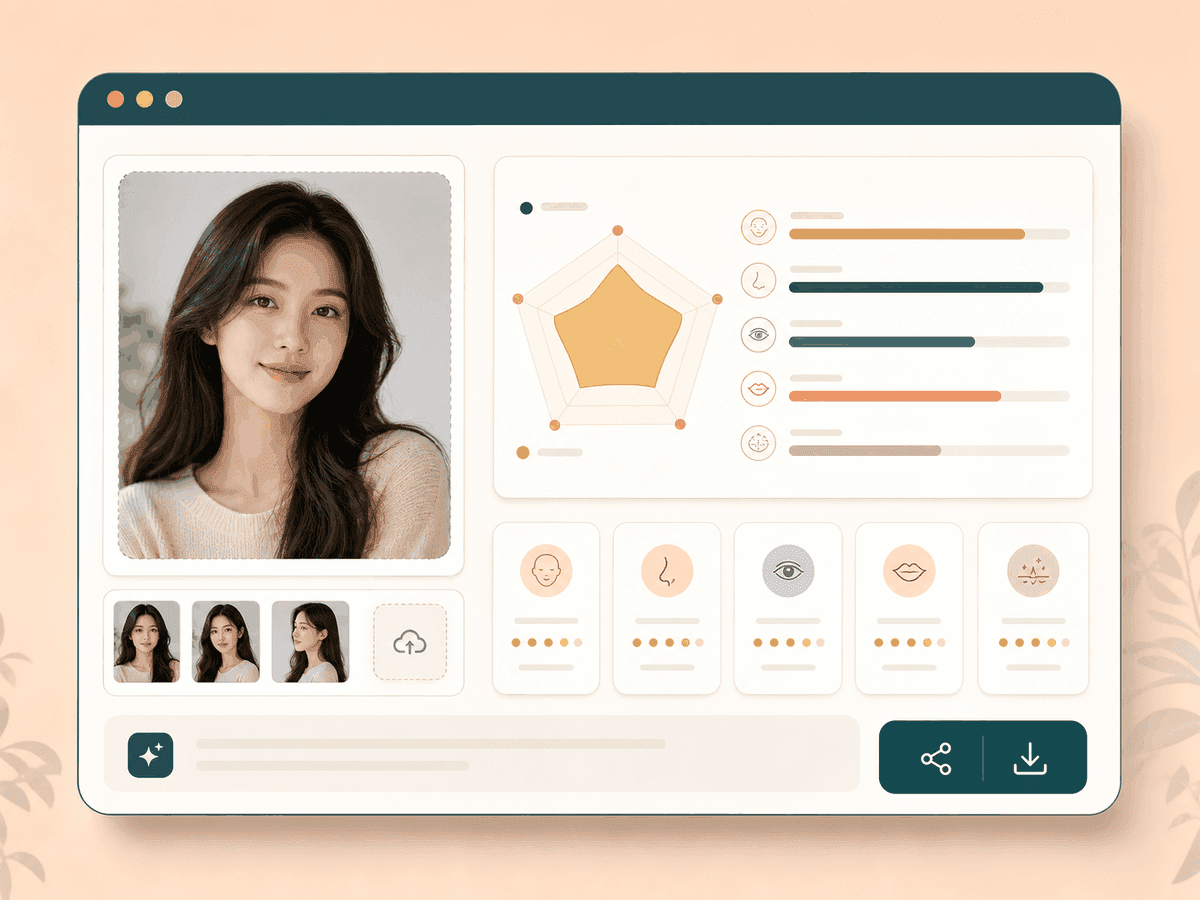
The result page is designed for reference. You can review the shape read, recommendations, and uploaded thumbnail in your browser, then save the report when you want to compare styles later.
Comparison table
Different methods fit different comfort levels. Use this table to decide whether you need AI guidance, manual charts, or a second opinion.
| Option | Result detail | Privacy note | Best for |
|---|---|---|---|
| BeautyLove Eye Shape Detector | Primary shape, confidence mix, and beauty guidance | Images are sent for processing. Result data may stay in browser storage | People who want a style focused eye shape read |
| Manual eye shape charts | Visual comparison against example diagrams | No upload needed when done offline | People who prefer to compare their own mirror or photo |
| Makeup tutorial guides | Technique advice by common eye shape category | Usually no upload required | People who already know their eye shape |
| Beauty camera apps | Face analysis mixed with filters, try on tools, and editing | Depends on app account and data settings | People who want many beauty tools in one app |
| Community advice | Human opinions from friends, forums, or makeup groups | Depends on where you share the photo | Second opinions and subjective style feedback |
Privacy and responsible use
BeautyLove uses uploaded images to process the selected AI tool request. The analysis is not processed only on your device.
Result data and thumbnails may be kept in your browser storage so the result page can show your latest analysis.
Upload photos you own or have permission to use. Avoid using face tools to shame, rank, or pressure another person.
Automated beauty analysis can be wrong. Use the result for style exploration, not for medical, vision, identity, or high stakes decisions.
Eye shape chart
Many people search for an eye shape detector, eye detector, eye shape analyzer, and eye shape chart at the same time. Use the chart-style notes below to understand how your upload result relates to common eye shapes and what to try next for liner, lashes, brows, and frames.
Look at the visible lid space, outer corner angle, and whether the eye appears longer than it is tall. These cues often separate almond, round, and upturned eyes in an eye shape analyzer result.
Check how much crease and mobile lid is visible in a relaxed photo. Lighting and camera height can change this, so use a clear front-facing image.
After identifying your eye shape, move to placement guidance for eyeliner, eyeshadow, lashes, and brows instead of repeating the same detection step. A full diagnostic report can connect the eye area with face and color cues.
Tool chain
Use the detector as a starting point, then continue into the tool that matches the next user intent.
Upload a clear portrait and the AI will estimate your eye shape from visible lid, crease, corner, and spacing cues. The result is most reliable when both eyes are visible and evenly lit.
Yes. Use the detector result together with the eye shape chart notes on this page to compare common eye shapes and choose makeup, lash, brow, or eyewear guidance.
Camera angle, eyelid tension, glasses, shadows, and expression can change how the eyes appear. Try a straight-on photo with relaxed eyes for a cleaner read.
FAQ
Photos, credits, privacy, makeup guidance, and how to read your eye shape result.
An eye shape detector is an online tool that reads visible eye features from a photo and estimates your eye shape. BeautyLove then connects the result to makeup, brows, lashes, and eyewear guidance.
Upload one clear front facing portrait, run the eye shape detector, and review your primary shape plus supporting confidence style percentages. Better lighting and uncovered eyes usually give a cleaner read.
BeautyLove can read common eye shape patterns such as almond, round, upturned, downturned, wide set, close set, deep set, and protruding eyes. Your result may look like a blend.
Yes, AI can estimate eye shape from visible photo details. The result can still change with angle, lighting, expression, eyelid visibility, glasses, hair coverage, and image quality.
Use a clear photo with one face, open eyes, even lighting, and no obstruction. Avoid side angles, blur, sunglasses, heavy hair coverage, filters, and strong shadows.
Yes, Eye Shape Detector uses 10 credits for a successful AI Detector run. Failed service requests and invalid image results should not consume credits.
Result data and thumbnails may stay in your browser storage so the result page can show your latest analysis. Clear your browser storage if you do not want local result data to remain.
No, this is a beauty and style guidance tool. Do not use it for medical, vision, identity, safety, legal, employment, or other high stakes decisions.
Use the result as a starting point for placement. Almond eyes often suit balanced liner, round eyes may benefit from outward length, and downturned eyes may look lifted with a higher outer flick.
Your visible eye shape can shift with age, skin elasticity, makeup, lashes, expression, camera angle, and lighting. Your underlying eye structure usually changes less than the photo impression.
Glasses can be chosen by overall face shape, frame width, eye spacing, and personal style. Use the eye shape read as one clue, then compare frames in real lighting.
Ready when you are
Use a clear front facing photo, review the result, and treat the guidance as a practical starting point for your next look.
Loved by 5M+ BeautyLove users for hair, makeup, color, and portrait decisions.